Low Profile Window Air Conditioner: The Ultimate Buying Guide for Small Windows and Tight Spaces
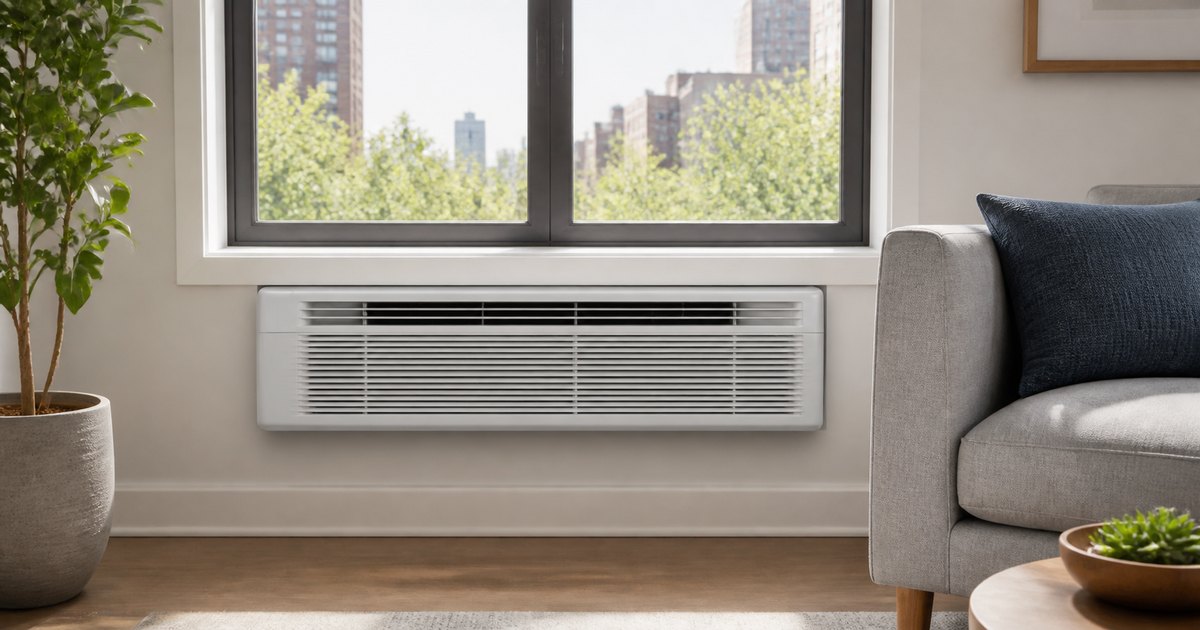
Not all windows are built the same.
Some are tall and generous. Others? Narrow. Restrictive. Almost defiant in their refusal to accommodate bulky appliances.
And that’s precisely where the low-profile window air conditioner enters the conversation — not as a gimmick, not as a niche curiosity, but as a deliberate solution for people who simply cannot install a standard unit.
If you’ve ever measured your window height twice, then a third time in disbelief… if you’ve realized that most window AC units are just a little too tall… if you need cooling power without sacrificing half your natural light — this guide is for you.
We’re going deep. Not just into product recommendations, but into design mechanics, sizing constraints, energy efficiency, installation strategy, and how to choose the right model for your space.
Let’s begin.
What is a Low-Profile Window Air Conditioner?
Beyond simple measurements, a low-profile window air conditioner represents a structural redesign of a familiar appliance. Traditional window units were engineered vertically — stacking evaporator coils, blower fans, and compressor housing in a tall chassis. Low-profile models rethink that arrangement. Components are redistributed horizontally. Airflow channels are flattened. Internal spacing becomes tighter, more deliberate.
The result is not merely a shorter box — it is a rebalanced cooling system.
Manufacturers must optimize airflow resistance, heat exchange efficiency, and vibration control within a compressed vertical footprint. That’s why well-designed low-profile units often feel surprisingly refined. They aren’t just smaller. They’re engineered differently.
And because they’re engineered differently, they frequently appeal to homeowners who value both spatial efficiency and modern design sensibility. They occupy less visual space. They interrupt less architecture. They solve a physical constraint without making a loud announcement.
Compact in height. Not in capability.
Why Choose a Low Profile Window AC?
There’s also a psychological dimension to this decision — one rarely discussed.
Standard window air conditioners can visually dominate a room. They sit heavily in the window frame, creating a mechanical focal point that competes with decor, natural light, and architectural lines. In smaller rooms, that presence feels amplified.
Low-profile units soften that intrusion.
They allow the window to remain a window, not a ventilation compromise. More daylight passes through. Sightlines remain cleaner. The room feels open rather than obstructed.
Additionally, for renters, low-profile units offer a crucial feature: reversibility. Because they fit more precisely within tighter clearances, they often require fewer structural adjustments. That means easier removal, cleaner restoration, and less risk of security deposit disputes.
Functionality matters. But so does livability.
And sometimes the difference between “it works” and “it feels right” comes down to a few inches of vertical space.
How Low Is “Low Profile”?
It’s important to recognize that manufacturers do not universally define “low profile.” The term is marketing-adjacent. That means due diligence becomes essential.
Some units labeled “compact” still measure 13 inches high, which may not solve your problem. Others are true low-clearance solutions, engineered under 12 inches with precision.
Before purchasing, confirm:
- Chassis height (without side panels)
- Required installation clearance
- Minimum sash opening height
- Depth projection inside and outside the window
Also consider the slope requirement. Most window AC units require a slight backward tilt to drain condensation. Even a low-profile unit must maintain this angle.
In extremely shallow windows, this tilt can reduce usable interior clearance.
Measure carefully. Compare specifications line by line. If possible, allow a half-inch buffer beyond the listed minimum.
Because “almost fits” does not fit.
Cooling Capacity: Does Low Profile Mean Lower Power?
There’s a misconception that slimmer units must sacrifice cooling output. In reality, thermal performance is primarily determined by compressor capacity, coil size, and refrigerant circulation efficiency—not by exterior height alone.
However, compact internal spacing can affect airflow velocity and the management of static pressure. That’s why selecting a properly rated BTU output becomes even more important in low-profile models.
If you undersize the unit, it will run continuously — never quite reaching thermostat equilibrium. If you oversize it, it will short-cycle — cooling the air quickly but failing to adequately dehumidify the room.
Humidity control matters.
A properly sized low-profile window air conditioner should not only reduce temperature but also stabilize moisture levels. In humid climates, that balance determines comfort.
Cooling is not just about cold air. It’s about environmental equilibrium.
Choose wisely.
Energy Efficiency and Noise Levels
Inverter technology deserves special mention here.
Unlike traditional compressors that operate in full on/off cycles, inverter compressors adjust output dynamically. They ramp up when needed. They scale down when maintaining temperature. This reduces energy spikes and minimizes mechanical noise.
Many premium low-profile models now feature inverter systems, making them exceptionally quiet.
Additionally, lower vertical mass can reduce vibration resonance within the window frame. Less chassis height often means less mechanical amplification.
That’s significant in bedrooms.
Energy efficiency ratings (EER or CEER) should be examined closely. A difference of even one efficiency point can translate into noticeable savings over an entire cooling season.
In regions with high electricity costs, this compounds quickly.
So while low-profile units may cost slightly more upfront, long-term operating efficiency can offset the initial investment.
Silence. Stability. Savings.
Key Features to Look For
Another often overlooked feature is directional airflow control.
Because low-profile units distribute air differently, adjustable louvers become crucial for even cooling. Look for models that allow both horizontal and vertical airflow direction adjustments.
Smart connectivity is increasingly common as well. Wi-Fi-enabled low-profile window air conditioners allow app control, scheduling, and energy tracking. For tech-savvy homeowners, this adds meaningful convenience.
Also, evaluate build quality. Slimmer units can feel more compact, so material integrity matters. Look for:
- Solid mounting brackets
- Tight seam construction
- Reinforced side panels
- Secure filter housing
Finally, consider warranty coverage. Compact engineering can mean tighter internal component spacing, so strong manufacturer support provides peace of mind.
When space is limited, reliability becomes non-negotiable.
Installation Considerations
Installation stability becomes especially critical with low-profile designs.
Because the unit occupies less vertical space, weight distribution may shift slightly compared to traditional models. Ensuring the mounting bracket supports the unit properly prevents sagging over time.
In older window frames, wooden sashes may require reinforcement to handle sustained weight. Foam insulation strips should be applied carefully to eliminate air leakage.
Additionally, check exterior clearance. Some low-profile units extend further outward to compensate for the redesign of internal airflow. Make sure exterior obstructions — siding, railings, exterior shutters — won’t interfere.
If you live in a region prone to heavy rain, confirm that drainage pathways remain unobstructed.
Proper installation doesn’t just protect efficiency.
It protects longevity.
Best Rooms for Low Profile Window AC Units
In multi-unit buildings, low-profile units can also reduce exterior visual clutter — an important consideration in HOAs or historic districts where bulky units may violate aesthetic guidelines.
They’re particularly useful in converted attic spaces, where dormer windows are often shorter in height. In these rooms, installing traditional AC systems can be impossible without invasive modifications.
Similarly, tiny homes and studio apartments benefit from the compact footprint.
Less obstruction means greater flexibility in furniture placement. Better line of sight. Better balance between comfort and spatial harmony.
Cooling shouldn’t dominate the room.
It should support it quietly.
Low Profile vs Standard Window AC
One additional distinction lies in the flexibility of resale.
Standard window AC units are easier to resell because they fit more common window dimensions. Low-profile units, while specialized, cater to a narrower market — though demand is steadily increasing as urban living spaces shrink.
Standard units may offer broader BTU ranges and budget-friendly entry options. But they also bring increased bulk.
The decision ultimately comes down to constraint.
If your window can accommodate either option, weigh aesthetics, noise, and efficiency carefully. If it cannot, the choice has already been made for you.
In some cases, limitation drives smarter design.
And sometimes, smaller truly is better.
Are Low Profile Window Air Conditioners More Expensive?
Price variability also depends on brand reputation, inverter integration, and smart features.
Budget-tier low-profile units exist, but they may compromise on noise insulation or energy efficiency. Mid-range models often strike the best balance between price and performance.
Premium-tier options command higher prices primarily due to:
- Advanced compressor technology
- Improved insulation materials
- Enhanced airflow optimization
- Digital smart controls
When comparing costs, consider total ownership expenses — not just purchase price.
A quieter, more efficient unit used daily over multiple summers can justify a slightly higher initial investment.
Comfort is cumulative.
Common Mistakes to Avoid
Failing to account for the quality of the room’s insulation is another common mistake.
Even the best low-profile window air conditioner cannot compensate for poor insulation, drafty windows, or direct sun exposure without blinds or curtains.
Additionally, some buyers assume all window AC units are interchangeable across window types. Sliding windows often require specialized installation kits.
Read the installation manual before purchasing — not after.
Preparation prevents frustration.
Precision prevents returns.
Maintenance Tips for Long-Term Performance
Consider scheduling seasonal deep cleaning at the beginning and end of each cooling season. Remove the filter. Vacuum interior vents. Inspect coils for dust accumulation.
If possible, use a coil cleaning spray designed specifically for window air conditioners.
During off-season storage, cover the unit securely or remove and store indoors to prevent debris intrusion and corrosion.
Because low-profile units often use tightly engineered airflow channels, even minor dust buildup can slightly reduce efficiency.
Maintenance isn’t glamorous.
But it preserves performance.
Who Should Buy a Low Profile Window Air Conditioner?
Ultimately, this category exists for homeowners who refuse to compromise between structural limitations and modern comfort.
If your window clearance has ever dictated your seasonal suffering, this unit answers that constraint directly.
If aesthetics matter. If quiet operation matters. If preserving light matters.
Then the low-profile window air conditioner isn’t a luxury.
It’s a solution.
And sometimes the most intelligent purchase is not the most powerful one — but the one designed precisely for your reality.
Low Profile Window Air Conditioner Comparison Guide
|
Feature |
5,000–6,000 BTU Low Profile AC |
8,000–10,000 BTU Low Profile AC |
12,000 BTU Low Profile AC |
|
Ideal Room Size |
100–250 sq ft |
250–450 sq ft |
450–550 sq ft |
|
Typical Height |
10–11.5 inches |
11–12 inches |
11.5–12 inches |
|
Energy Efficiency |
High (Lower watt draw) |
Moderate–High |
Moderate |
|
Noise Level |
Very Quiet (42–48 dB) |
Quiet (45–52 dB) |
Moderate (50–55 dB) |
|
Best For |
Small bedrooms, offices |
Master bedrooms, medium living rooms |
Larger living spaces |
|
Installation Difficulty |
Easy |
Moderate |
Moderate (heavier unit) |
|
Average Weight |
35–45 lbs |
45–55 lbs |
55–65 lbs |
|
Estimated Price Range |
$250–$400 |
$350–$500 |
$450–$650 |
|
Energy Star Availability |
Common |
Very Common |
Available (model dependent) |
|
Inverter Technology |
Available in select models |
More common |
Common in premium models |
Conclusion
A low-profile window air conditioner isn’t simply a smaller version of a traditional unit — it’s a precision-engineered solution for tight window clearances, limited vertical space, and homeowners who refuse to sacrifice comfort for structure.
If your window height restricts installation, this category solves that problem cleanly. If preserving natural light matters, it minimizes obstruction. If noise and efficiency are priorities, many modern low-profile models now rival — and sometimes outperform — standard designs.
The key is measurement. Exact dimensions. Proper BTU sizing. Careful installation.
Get those right, and a low-profile window AC won’t just fit your window.
It will fit your life.
FAQs
What is considered a low-profile window air conditioner?
Because low-profile window air conditioners are usually under 12 inches tall, they can be installed in window openings that are too small for regular units, which are 14 to 16 inches tall.
Are low-profile window AC units less powerful?
No. Cooling power depends on BTU rating, not height. Low-profile models are available in standard BTU ranges (5,000–12,000 BTU) and can cool rooms just as effectively when properly sized.
How do I know if a low-profile AC will fit my window?
Measure the minimum window opening height, width, and depth clearance. Compare these measurements with the manufacturer’s listed minimum installation requirements before purchasing.
Are low-profile air conditioners more expensive?
Because of their more recent design elements and compact engineering, they may be slightly more costly. However, many models offer improved efficiency and quieter operation, which can offset the higher upfront cost.
Can I install a low-profile window AC myself?
Indeed, most models are designed to be installed in double-hung windows by hand. However, proper sealing, bracket support, and a slight rear tilt for drainage are essential for safe and efficient operation.