
admin
Cheap Window Air Conditioners Under $100 at Walmart: What Your Budget Can Really Expect
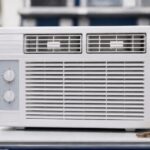
Finding cheap window air conditioners under $100 at Walmart sounds deceptively simple. You set a budget. You type the keyword. You hit search. Done.
But once you step into this price tier, you’re no longer casually browsing. You’re navigating constraints — tight margins, fluctuating availability, seasonal pricing swings, and very specific performance limitations. Under $100 is not the mainstream AC market. It’s the edge of it.
And yet, if you approach it strategically — if you understand timing, room sizing, and product categories — you can absolutely find a unit that delivers real, compressor-based cooling without draining your wallet.
Let’s break down what’s realistic, what’s marketing fluff, and how to maximize every dollar.
Can You Actually Find a Window AC Under $100 at Walmart?
Yes — but not consistently, and not without a strategy.
Most entry-level window air conditioners typically retail between $109 and $149 during peak season. However, Walmart is known for aggressive rollback pricing, especially during late summer and back-to-school periods. That’s where the sub-$100 opportunities appear. Sometimes it’s a temporary price drop. Sometimes it’s clearance inventory at specific store locations. Occasionally, it’s a refurbished or marketplace listing.
The key is understanding that under-$100 pricing is often seasonal, not permanent. You won’t see a wide selection year-round at that price point. Availability fluctuates with demand. Early June? Limited. Late August? Much better.
So yes, it’s possible—but it requires timing, flexibility, and occasionally checking local store inventory rather than relying solely on online listings.
What to Expect From a Cheap Window Air Conditioner Under $100
When your budget is capped at $100, expectations must shift accordingly.
You are not purchasing a premium inverter system. You are not getting smart connectivity or whisper-quiet operation. What you’re buying is straightforward, mechanical cooling — the essential function of an air conditioner stripped to its fundamentals.
Most units in this range are designed for small spaces and light-duty use. They prioritize affordability over advanced engineering. The housing materials may feel lighter. The controls are typically manual dials. Feature sets are minimal. But the cooling mechanism itself — a compressor-driven refrigeration cycle — remains legitimate and effective.
That’s important.
Despite budget constraints, these are still real window AC units. They don’t rely on evaporative cooling tricks or gimmicks. They pull warm air, compress refrigerant, and push cold air back into the room. Simple. Reliable. Functional.
Cooling Capacity: 5,000 BTU (Typically)
If you’re shopping for a window air conditioner under $100 at Walmart, you’re almost certainly looking at a 5,000 BTU unit. This is the standard entry-level size across major manufacturers.
A 5,000 BTU air conditioner is engineered for small rooms — roughly 100 to 150 square feet. That typically translates to a small bedroom, a dorm room, a home office, or a compact studio corner. Within those parameters, performance is surprisingly adequate. It won’t freeze the room instantly, but it will steadily lower the temperature and keep you comfortable.
The problem arises when buyers try to stretch their capacity. A 5,000 BTU unit cannot efficiently cool a large living room or open-plan apartment. When overloaded, it runs constantly, consumes more electricity, and struggles to achieve set temperatures.
Match the BTU to the room. Do that correctly, and even a sub-$100 unit can perform impressively.
Basic Controls — No Smart Features
At this price point, innovation takes a back seat to practicality.
Most cheap window air conditioners under $100 feature mechanical rotary dials for temperature and fan speed. You’ll usually get two cooling settings and one or two fan-only modes. That’s it. No digital display. No programmable timer. No Wi-Fi. No remote control in many cases.
But simplicity has advantages.
Mechanical controls tend to be durable and less prone to electronic failure. There are fewer components to malfunction. No circuit boards to fry during voltage fluctuations. No app connectivity issues. Just turn the dial and let it run.
It’s old-school cooling — direct, tactile, uncomplicated.
If you’re someone who values function over bells and whistles, this stripped-down interface may actually be a benefit rather than a drawback.
Energy Efficiency: Modest but Manageable
Budget window AC units are rarely energy-efficiency champions. They typically use standard compressor technology rather than inverter-driven systems that dynamically modulate power usage.
That means they cycle on and off to maintain temperature rather than running at variable speeds. While this approach isn’t cutting-edge, it’s functional and widely used in entry-level models.
A 5,000 BTU unit usually consumes between 400 and 500 watts per hour. For small-room usage — say, 6 to 8 hours per day — the monthly energy cost remains relatively modest. In many regions, that translates to roughly $20–$40 per month, depending on electricity rates.
Is it the most efficient solution available? No. But for temporary cooling, small spaces, or budget-conscious households, the operational costs remain manageable.
Popular Types of Window Air Conditioners Under $100 at Walmart
The sub-$100 category isn’t diverse, but it isn’t empty either.
You’ll primarily encounter entry-level 5,000 BTU mechanical models. Occasionally, Walmart-exclusive brands — such as Arctic King — dominate this tier due to competitive pricing agreements. Major brands like Frigidaire, GE, Midea, and TCL sometimes dip into this range during rollbacks.
The construction is typically compact and lightweight, making installation easier for renters and students. Adjustable side panels help seal window gaps, and most units include washable air filters for basic air quality maintenance.
The inventory changes quickly. One week, there may be five qualifying models. The next week, only one remains under budget. Monitoring availability becomes part of the strategy.
Refurbished or Open-Box Units
If you’re strictly committed to staying under $100, refurbished models open up new possibilities.
Refurbished units are typically returned products that have been inspected, repaired if necessary, and resold at discounted pricing. At Walmart, these may appear through marketplace sellers rather than directly from the retailer.
The advantage? You might secure a 6,000 BTU model or a digital control unit for under $100. That represents a performance upgrade without exceeding your budget.
The trade-off, of course, is warranty coverage. Refurbished units often carry shorter warranties, and quantities are limited. Still, for savvy shoppers willing to accept minor risk, the value proposition can be compelling.
Clearance & Rollback Deals
Seasonality drives this market.
During peak heat waves, prices rise. Demand spikes. Inventory tightens. But once late summer approaches — especially after back-to-school season — retailers begin clearing excess stock.
This is when under-$100 deals become far more common.
Labor Day sales, end-of-season markdowns, and in-store clearance tags can slash prices significantly. Sometimes, individual stores mark down units to clear floor space, creating hyper-local deals not reflected online.
If you’re patient and flexible, waiting for these windows can save $20–$40 — a substantial percentage at this price tier.
What Room Size Can a $100 Window AC Actually Handle?
Room size is everything.
A 5,000 BTU window air conditioner performs best in enclosed spaces up to 150 square feet. That’s roughly a 10×12 bedroom or a compact office. High ceilings, poor insulation, or excessive sun exposure can reduce effectiveness.
If your room has large windows facing direct sunlight, you may need to compensate with blackout curtains or reflective window film. Otherwise, the AC will struggle.
Attempting to cool 250 square feet with a 5,000 BTU unit leads to constant compressor cycling and inadequate temperature control. It’s not that the unit is defective — it’s simply undersized.
Proper sizing transforms a “cheap” unit into a surprisingly effective cooling solution.
How to Find Cheap Window Air Conditioners Under $100 at Walmart (Strategically)
Don’t just type the keyword and scroll randomly.
Start by applying the price filter to cap results at $100. Then sort by customer rating. Look for models with at least four stars and a substantial review count. Reviews often reveal noise levels, installation challenges, and long-term reliability patterns.
Next, check both shipping and store pickup options. Sometimes local inventory offers clearance pricing not visible nationally.
Finally, search using terms like “rollback” or “clearance” directly within Walmart’s site search. These tags often reveal temporary pricing that standard browsing might miss.
Strategic filtering saves time — and money.
Pros of Buying a Cheap Window Air Conditioner Under $100
Affordability is the obvious benefit. For under $100, you get genuine compressor-driven cooling. That’s remarkable compared to portable evaporative coolers, which often cost about the same but deliver comparable performance.
Installation is generally simple. These units plug into standard 115V outlets and require no professional setup. For renters, that convenience matters.
They’re also ideal for temporary use. Whether you need short-term relief during a heatwave or supplemental cooling for a single room, the financial commitment is minimal. You’re not locking yourself into a multi-hundred-dollar investment.
For budget-conscious households, that flexibility is powerful.
Cons to Consider
Lower price points come with trade-offs.
Noise levels tend to be higher in mechanical compressor units compared to modern inverter systems. The hum of the compressor and fan can be noticeable, especially in quiet nighttime environments.
Feature sets are minimal. You likely won’t have programmable timers or advanced eco modes. Temperature control precision may be less exact.
Durability can vary between brands. While many units perform reliably for years, the materials and internal components are often less robust than those of premium models.
Still, for many buyers, these limitations are acceptable given the price.
Are “Air Conditioners Under $100” Sometimes Misleading?
Absolutely.
Some listings may appear to advertise air conditioners under $100 but are actually evaporative air coolers or personal desktop cooling devices. These products do not use compressors and cannot significantly reduce room temperature in humid climates.
A legitimate window air conditioner will always list a BTU rating and specify compressor-based cooling.
If the listing emphasizes water tanks or “mini personal cooling,” it’s likely not a true AC unit.
Always confirm specifications before purchasing.
When Is the Best Time to Buy?
Timing influences pricing dramatically.
Late July through September is prime clearance season. Retailers begin preparing for fall inventory, and remaining AC units often receive markdowns.
Shopping during the first major heatwave of summer is the worst time. Demand surges, and prices follow.
If possible, buy before peak season begins or after it winds down. Planning ahead turns budget shopping into strategic shopping.
Is It Better to Spend Slightly More?
If your budget allows even a small stretch — say $120 to $150 — you may unlock higher BTU ratings or digital controls.
The difference between 5,000 and 6,000 BTU can be meaningful for slightly larger rooms. Digital thermostats provide more precise temperature regulation.
However, if your room is small and your budget is firm, a sub-$100 model remains a viable, practical option.
FAQs
Can I really find a window AC under $100 at Walmart?
Yes — typically 5,000 BTU mechanical units during rollbacks, clearance sales, or late-season discounts.
What room size can a sub-$100 AC cool?
Usually 100–150 square feet. Think small bedrooms, dorm rooms, or compact offices.
Are these units energy efficient?
They’re moderately efficient. Not inverter-level savings, but manageable for small-space use.
Do they come with remotes or smart features?
Most do not. Expect manual dials and basic controls at this price point.
Are refurbished models worth it?
They can be — especially if you want slightly higher BTU capacity under $100. Just check the warranty terms.
When is the best time to buy?
Late summer and early fall, when clearance pricing is common.
Comparison Table: What to Expect Under $100
|
Feature |
Typical Under $100 Window AC |
What It Means for You |
|
BTU Capacity |
5,000 BTU |
Ideal for 100–150 sq ft rooms |
|
Controls |
Manual dials |
Simple operation, fewer electronic issues |
|
Energy Use |
400–500 watts/hr |
Affordable monthly operating cost |
|
Noise Level |
Moderate |
Noticeable hum, especially at night |
|
Smart Features |
Rare/None |
No Wi-Fi or app control |
|
Installation |
Standard 115V outlet |
Easy DIY setup |
|
Best Buying Season |
Late summer clearance |
Higher chance of sub-$100 pricing |
|
Ideal For |
Dorms, renters, small bedrooms |
Budget-focused cooling solution |
Conclusion
A cheap window air conditioner under $100 at Walmart is not a fantasy — but it’s not a luxury product either.
It’s utilitarian. Focused. Direct.
If you size it correctly, buy strategically, and install it properly, it can deliver genuine relief during sweltering months without straining your budget.
It won’t be silent. It won’t be smart. It won’t feel premium.
But when the temperature climbs, and cold air starts flowing into your room, none of that matters.
Sometimes, simplicity executed well is more than enough.
Is It Possible to Use a Heating Pad During Pregnancy? What You Should Know Before Seeking Assistance
Pregnancy changes everything.
Not just the obvious things — your waistline, your sleep schedule, your cravings — but the quiet mechanics of your body. Your spine adjusts. Your ligaments soften under the influence of relaxin. Your posture shifts forward as your center of gravity migrates. Muscles that once worked invisibly now carry unfamiliar strain.
And discomfort becomes a daily companion.
Lower back pain settles in. Hips ache after short walks. Shoulders tighten. Even your neck feels the weight of it all. Relief becomes less of a luxury and more of a necessity.
So you reach for something simple. Something familiar. Something that has worked before.
A heating pad.
But then the question interrupts the moment of comfort:
Is it okay to use a heating pad when pregnant?
The short answer is yes, generally.
The responsible answer is: yes, with thoughtful precautions.
Because when you are pregnant, even small decisions deserve clarity.
Let’s walk through what you actually need to know.
Is It Safe to Use a Heating Pad During Pregnancy?
In uncomplicated pregnancies, localized heat therapy is widely considered safe. The keyword here is localized.
You can use a heating pad on your lower back or shoulders to warm surface tissues and muscles. It improves circulation in that particular area. It relaxes muscle fibers. It reduces stiffness. But it does not typically raise your core body temperature to unsafe levels.
And core temperature is what matters most.
Medical concerns during pregnancy center on sustained elevations in body temperature — especially above 102°F (39°C). Research has associated prolonged high core temperatures during early pregnancy with potential neural tube defects. That’s why hot tubs, saunas, steam rooms, and very hot baths are discouraged.
But a heating pad works differently. It delivers surface warmth. It does not immerse your body in heat.
Still, “safe” does not mean unlimited. Duration matters. Intensity matters. Awareness matters.
Used responsibly — at a low setting, for short sessions, and with localized placement — a heating pad is generally a safe tool for pregnancy discomfort.
Used carelessly, it becomes an unnecessary risk.
The difference is intention.
Why Pregnant Women Use Heating Pads in the First Place
Pregnancy discomfort isn’t dramatic in a cinematic sense. It’s repetitive. Persistent. Sometimes dull, sometimes sharp — but always present.
As the uterus expands, the lower back absorbs more strain. The abdominal muscles stretch and separate slightly. The hormone relaxin loosens ligaments to prepare for childbirth, but that same loosening destabilizes joints. The pelvis shifts. The sciatic nerve can become irritated. Even simple tasks like standing at the sink or turning in bed require effort.
Heat therapy appeals because it feels immediate.
Warmth increases blood flow to tense areas. It reduces muscle guarding. It interrupts the pain cycle without introducing medication. For many women trying to limit pharmaceutical interventions, that matters.
Heating pads are also accessible. No prescription. No scheduling. No side effects when used correctly.
Just plug in. Wait a moment. Relief.
But pregnancy demands more than habit. It demands awareness of how the body is changing — and how seemingly small comforts interact with those changes.
How to Use a Heating Pad Safely While Pregnant
Safety isn’t complicated — but it is specific.
Keep It Localized
Apply heat only to targeted muscle groups: lower back, upper back, hips, thighs, and shoulders. Avoid prolonged placement on the abdomen. While brief low-level warmth on the belly is unlikely to cause harm, sustained direct heat over the uterus is unnecessary.
The goal is muscular relief, not warming internal organs.
Use Low to Medium Settings
If the heating pad feels intensely hot, it’s too high. Pregnancy increases skin sensitivity and circulation. What once felt mild may now feel amplified. Choose warmth that relaxes without reddening the skin excessively.
Limit Sessions to 15–20 Minutes
Longer sessions increase cumulative heat exposure. Short intervals allow relief while maintaining safe temperature regulation. You can repeat sessions later — just allow cooling time in between.
Never Sleep With It On
Even pads with auto shut-off should not be used overnight. Falling asleep removes your ability to monitor temperature changes or skin irritation.
Stay Hydrated and Attentive
Pregnancy already slightly raises baseline body temperature. If you feel flushed, dizzy, lightheaded, or overheated — stop immediately.
Heat should soothe, not overwhelm.
Can Heating Pads Harm the Baby?
This question sits at the center of concern.
The reassuring answer: When used correctly, localized heating pads are unlikely to harm the baby.
The uterus is not directly exposed to external surface warmth in a way that meaningfully alters amniotic fluid temperature. Layers of tissue, muscle, and fluid buffer the internal environment.
However, overheating the entire body — especially in the first trimester — can present risk. That risk does not stem from a single 15-minute session on your lower back. It stems from sustained core temperature elevation.
For example, soaking in a hot tub for 30 minutes at a high temperature could significantly raise core body temperature. A heating pad applied to your shoulder does not produce the same systemic effect.
That said, early pregnancy is particularly sensitive because neural tube development occurs in the first 4–6 weeks. Exercising extra caution during this window is reasonable.
If you are ever uncertain — particularly in high-risk pregnancies — consult your OB-GYN. Individual circumstances matter.
But in healthy pregnancies, localized heat used responsibly is considered low risk.
Are There Situations Where You Should Avoid a Heating Pad?
Yes. Context matters.
Avoid or speak to your provider first if you have:
- High-risk pregnancy complications
- Unexplained abdominal pain
- Fever or infection
- Placental abnormalities
- Preeclampsia
- Diabetes with neuropathy
- Circulatory disorders
Heat can mask certain symptoms. It can temporarily dull pain that might otherwise signal a medical issue.
If pain is severe, persistent, rhythmic (like contractions), or accompanied by bleeding, fluid leakage, or decreased fetal movement, a heating pad is not the solution. Medical evaluation is.
Also consider skin sensitivity. Pregnancy can increase reactivity. Burns occur more easily than expected, especially on the abdomen, where skin is stretched thin.
When in doubt, choose shorter sessions or alternative therapies.
Relief should never come at the expense of vigilance.
What About Using a Heating Pad on Your Stomach While Pregnant?
This is the most debated aspect.
Brief, low-level warmth applied to the abdomen for mild cramping is generally considered low risk. However, extended direct heat to the belly is discouraged.
The concern is proximity.
While external heat does not directly “heat the baby,” prolonged abdominal warmth narrows the safety margin compared to applying heat to the back or hips. Additionally, abdominal skin becomes thinner and more sensitive as pregnancy progresses.
If you’re experiencing:
- Round ligament discomfort
- Digestive cramping
- Mild uterine stretching sensations
Use the lowest setting. Limit exposure to under 15 minutes. Place a cloth barrier between your skin and the pad.
Better yet, consider shifting heat application to the lower back, which often indirectly relieves abdominal tension.
When safety margins shrink, caution expands.
Alternatives to Heating Pads During Pregnancy
Heat is helpful — but not exclusive.
Warm (Not Hot) Baths
A bath below 100°F can ease tension without elevating core temperature dangerously. The buoyancy reduces spinal pressure. The warmth relaxes muscle fibers gently.
Prenatal Massage
Certified prenatal massage therapists understand positioning and pressure modifications. Manual therapy can relieve deep tension without the need for external heat.
Maternity Support Belts
Sometimes pain isn’t muscular — it’s structural. Support belts redistribute abdominal weight, stabilizing the pelvis and reducing lower back strain.
Prenatal Yoga and Stretching
Gentle mobility maintains circulation and prevents stiffness accumulation. Consistency often reduces the need for reactive pain relief.
Cold Therapy
Inflammatory pain, especially sciatic irritation, may respond better to cold packs. Alternating heat and cold can also be effective.
Comfort during pregnancy is multifaceted. No single tool does everything.
Electric Heating Pads vs. Microwave Heat Packs
Both are generally safe when used responsibly.
Electric heating pads offer:
- Adjustable temperature settings
- Consistent heat output
- Automatic shut-off features
Microwave heat packs provide:
- Moderate, gradually cooling warmth
- No electrical components
- Even heat distribution if heated properly.
The key isn’t which type you choose — it’s how you use it.
Look for:
- Auto shut-off timers
- Soft protective covers
- Multiple heat settings
- Even heat dispersion
Always place fabric between the heat source and your skin. Direct contact increases burn risk.
Comfort devices should include safety features. Pregnancy deserves that extra layer.
When to Call Your Doctor Instead of Using Heat
Heat addresses muscle tension. It does not treat medical complications.
Contact your provider if you experience:
- Persistent abdominal cramping
- Vaginal bleeding
- Severe back pain with fever
- Sudden swelling or vision changes
- Reduced fetal movement
- Rhythmic tightening that could indicate preterm labor
Pain that feels unusual — sharp, intense, or different from typical muscular discomfort — warrants evaluation.
Pregnancy rewires normal sensations. It can blur the line between “normal discomfort” and something more serious.
Trust your intuition.
A heating pad is a tool. It is not a diagnostic device.
Understanding Core Body Temperature During Pregnancy
To truly understand whether a heating pad is safe during pregnancy, you have to understand how the body regulates temperature — and how pregnancy subtly shifts that regulation.
During pregnancy, your metabolic rate increases. Blood volume expands. Hormonal fluctuations alter circulation. As a result, many women already feel warmer than usual, even in moderate climates. That “always slightly overheated” sensation? It’s real.
The temperature of your internal organs, especially the brain, heart, and uterus, is called your core body temperature. Research suggests that sustained elevations above 102°F (39°C), particularly in early pregnancy, may increase the risk of certain developmental complications.
But here’s the important distinction: raising skin temperature in a small area does not automatically elevate core temperature. Your body is remarkably efficient at thermoregulation. Blood flow redistributes. Sweat mechanisms activate. Heat dissipates.
Problems arise when heat exposure is immersive or prolonged — like soaking in a hot tub for 30 minutes, not when applying mild warmth to your lower back for 15 minutes.
Understanding that difference replaces fear with logic.
Heating Pad Use by Trimester: Does Timing Matter?
Pregnancy is not a single, static state. It evolves — physiologically, hormonally, structurally. And while heating pads are generally safe when used correctly, the trimester context adds another layer of consideration.
First Trimester
This is when caution peaks. Neural tube development occurs early — often before many women even know they are pregnant. During this window, avoiding significant increases in core temperature is especially important. If using a heating pad, keep it brief, on low heat, and away from the abdomen.
Second Trimester
As the uterus expands and posture shifts, back pain often intensifies. Heating pads are commonly used during this phase with few concerns when applied to the back or hips. Neural tube defects are far less common beyond early development.
Third Trimester
Discomfort can escalate due to weight gain and pelvic pressure. Heat remains useful for muscle tension, but should not be used to mask persistent cramping that could resemble contractions.
Trimester awareness doesn’t eliminate heating pad use — it refines it.
Heating Pads vs. Muscle Rubs and Topical Creams
When pain strikes, some women consider alternatives like topical menthol creams, muscle rubs, or medicated patches. So how do heating pads compare?
Topical treatments vary widely in safety profiles during pregnancy. Some contain salicylates or anti-inflammatory agents that are not recommended in certain trimesters. Others rely on menthol or capsaicin, which may create intense sensations without deeply affecting muscle tissue.
Heating pads, by contrast, work mechanically — not chemically. They increase blood flow and reduce muscle tension without introducing substances into the bloodstream.
That simplicity is part of their appeal.
However, if combining heat with topical products, exercise caution. Heat can increase the absorption of applied substances into the skin. Always consult a provider before layering therapies.
Sometimes the safest solution is the least complicated one.
Can Heating Pads Help With Sciatica During Pregnancy?
Sciatic nerve pain is one of the most common — and frustrating — pregnancy complaints. As the uterus expands, it may compress or irritate the sciatic nerve, causing sharp, radiating pain from the lower back down the leg.
Heat can help — but not always alone.
By relaxing the surrounding muscles, a heating pad applied to the gluteal or lower back region may compress the nerve. For some women, this reduces pressure and softens the intensity of shooting pain.
However, inflammation can sometimes contribute to sciatic irritation. In those cases, alternating heat and cold therapy may provide better results.
Heat relaxes.
Cold reduces inflammation.
Together, they interrupt the pain cycle.
Positioning also matters. Side-lying rest with a pillow between the knees can reduce nerve strain.
A heating pad is a tool — not a cure — but for many pregnant women navigating sciatica, it offers meaningful relief when used thoughtfully.
Signs You’re Using Too Much Heat
Even safe tools can be overused.
Watch for these signals:
- Persistent skin redness lasting more than an hour.
- Dry or irritated skin
- Dizziness or lightheadedness
- Feeling flushed or overheated
- Headache after heat exposure
Pregnancy increases vascular sensitivity. Blood vessels expand more readily, which can make heat feel stronger than it would otherwise.
If your skin appears mottled or unusually red, reduce the temperature or duration. If you feel faint or nauseated, discontinue use and cool down gradually.
Pain relief should not leave you feeling depleted.
Moderation isn’t restrictive — it’s protective.
Creating a Safe Comfort Routine During Pregnancy
Instead of relying on reactive relief, consider building a proactive comfort routine.
Morning, gentle stretching.
Midday posture checks.
Supportive footwear.
Evening heat therapy sessions are limited to 15 minutes.
Hydration supports circulation. Magnesium (with provider approval) may help muscle cramps. Proper sleep positioning — side-lying with pillow support — reduces strain accumulation overnight.
Heat works best when it’s part of a broader strategy, not the only strategy.
Pregnancy is a marathon of adaptation. Small daily adjustments often prevent the need for intense intervention later.
And perhaps most importantly, give yourself permission to rest.
Discomfort does not mean weakness. It means your body is adjusting to something extraordinary.
Expert Recommendations and Medical Consensus
Most obstetricians agree on a central principle: avoid raising core body temperature significantly during pregnancy.
Localized heat? Generally acceptable.
Immersive heat? Avoid.
The American College of Obstetricians and Gynecologists (ACOG) emphasizes avoiding activities that raise body temperature excessively, particularly in early pregnancy. While heating pads are not specifically prohibited, the broader guidance reinforces moderation.
Medical consensus doesn’t label heating pads as dangerous. It simply frames them within the context of responsible use.
When guidelines focus on overheating rather than surface warmth, the distinction becomes clear.
Used wisely, a heating pad aligns with medical recommendations.
Used carelessly, anything can become problematic.
Frequently Asked Questions
How large a room can a 14000 BTU window air conditioner cool?
A 14000 BTU window air conditioner can effectively cool rooms between 500 and 700 square feet, depending on insulation, ceiling height, and sun exposure.
Is 14000 BTU too much for a bedroom?
For small bedrooms, yes. For large master bedrooms or studio-style spaces, it’s often ideal. Proper sizing prevents short cycling and humidity issues.
How much electricity does a 14000 BTU window AC use?
Most units consume between 1,200 and 1,500 watts per hour. Energy-efficient or inverter models use less power over time.
Does a 14000 BTU window air conditioner require a special outlet?
Many models run on a standard 115V outlet, but some require 230V. Always check electrical specifications before purchase.
Are 14000 BTU window air conditioners noisy?
Generally, noise levels range from 50 to 60 dB. Inverter types operate more smoothly and are typically quieter.
Can I install a 14000 BTU window AC by myself?
Yes, but assistance is recommended due to the unit’s weight. Proper installation ensures stability, safety, and efficiency.
Is a 14000 BTU window AC better than a portable unit?
In most cases, yes. Window units are more energy-efficient and cool more effectively because they vent heat directly outside without creating negative pressure.
Conclusion
Yes — in most uncomplicated pregnancies, you can safely use a heating pad.
But safety lives in the details.
Keep heat localized.
Choose low or medium settings.
Limit sessions to 15–20 minutes.
Avoid overheating your entire body.
Stay aware of how you feel.
Pregnancy requires caution — not constant fear. Thoughtful comfort is not reckless. It is responsible self-care.
Your body is doing extraordinary work. It deserves relief. And when used wisely, a heating pad can provide that relief without compromising safety.
If uncertainty lingers, your healthcare provider is always the final word.
But for most women, a heating pad, used properly, is not the enemy.
It’s a small, warm ally in a long, transformative journey.
Air Conditioner Joint Pain: Can Cold Air Really Make Your Joints Hurt?
You walk into a perfectly air-conditioned room on a sweltering afternoon. The relief is immediate. Cool air washes over your skin. The heat retreats. Your body relaxes.
And then — hours later — your knees ache. Your shoulders feel stiff. Your fingers seem tight and uncooperative.
Coincidence?
Or is your air conditioner secretly aggravating your joints?
Many people report increased stiffness, soreness, or joint discomfort after prolonged exposure to air conditioning. Whether it’s at home, in the office, inside a car, or during long flights, the pattern feels too consistent to ignore.
So let’s explore the truth behind air conditioner joint pain — what causes it, who is most vulnerable, and what you can do to prevent it without sacrificing comfort.
Can Air Conditioning Cause Joint Pain?
The relationship between air conditioning and joint pain isn’t dramatic or catastrophic — it’s gradual, subtle, almost sneaky. You won’t step into a cold room and feel cartilage deteriorating. That’s not how it works. Instead, what happens is more nuanced. Your body constantly adapts to environmental conditions. When the air cools, your nervous system responds. Blood vessels constrict. Muscles subtly brace. Core temperature is preserved. These are protective mechanisms — ancient, intelligent, automatic.
But here’s where things become complicated.
If your joints are already compromised — by arthritis, injury, inflammation, age-related degeneration, or autoimmune imbalance — these protective responses can magnify discomfort. Cold doesn’t create structural damage overnight. It doesn’t grind cartilage away. However, it can amplify sensitivity in the nerve endings surrounding joint capsules. And when sensitivity increases, perception of pain intensifies.
Pain isn’t always about destruction. Sometimes it’s about perception.
And cold environments can heighten that perception in ways that feel very real — even if imaging scans remain unchanged.
Why Cold Air Can Make Joints Hurt
Cold exposure alters more than surface temperature. It influences circulation patterns, muscle elasticity, connective tissue pliability, and even neurological signaling thresholds. The human body thrives within a narrow thermal comfort zone. Deviate from it — especially for prolonged periods — and small physiological adjustments ripple outward.
The deeper issue isn’t that cold “attacks” joints. It’s those joints that rely on optimal surrounding conditions to function smoothly. Cartilage has no direct blood supply. It depends on movement and nearby circulation to receive nutrients. Muscles and tendons support joint stability. Synovial fluid provides cushioning. Disrupt one piece of this ecosystem — such as by lowering circulation or increasing muscle tension — and the entire structure feels less fluid.
That stiffness? It’s rarely random.
It’s the cumulative effect of tiny biological shifts happening beneath the surface. Quietly. Gradually. Persistently.
And over hours in air-conditioned spaces, those shifts can become noticeable — especially to vulnerable individuals.
Cold Temperatures Cause Muscle Tightening
Muscles behave differently in cold environments. Think about stepping outside on a winter morning — your shoulders instinctively rise, your jaw tightens, your posture subtly contracts. That reflexive tightening conserves heat and protects vital organs. But indoors, under steady air conditioning, the same low-grade contraction can persist for hours.
Sustained muscle tension reduces range of motion. It limits joint glide. It increases compressive forces around knees, hips, shoulders, and fingers. Over time, this tension doesn’t just feel stiff — it begins to ache.
Cold muscles also become less elastic. Elasticity matters. Flexible muscle fibers absorb shock. Tight fibers transmit force directly into joint structures. That increased transmission can aggravate cartilage that is already worn or inflamed.
And here’s something many overlook: cold sensitivity varies by body region. Extremities — fingers, wrists, knees, ankles — are especially vulnerable because circulation naturally favors core organs first.
So if your hands ache in an air-conditioned office, it’s not imagined. It’s physiology responding to environmental stress.
Reduced Blood Circulation in Cold Environments
Circulation is everything when it comes to joint comfort.
When exposed to cold air, peripheral blood vessels narrow — a process called vasoconstriction. This helps preserve core body temperature but reduces warmth and oxygen delivery to limbs. For healthy tissues, temporary constriction isn’t harmful. But for joints already under stress, even small reductions in circulation can matter.
Cartilage relies on diffusion — nutrients move in, and waste products move out based on movement and surrounding fluid exchange. When circulation slows, this exchange becomes less efficient. The joint environment can feel thicker, heavier, and less responsive.
Cold-induced vasoconstriction also influences nerve sensitivity. Nerve endings around joint capsules can become more reactive in response to reduced blood flow. That reactivity can translate into increased pain perception — even if inflammation levels remain stable.
It’s not dramatic. It’s incremental.
But hours spent in a chilly office or beneath a strong AC vent can cause enough circulatory reduction to tip the balance from comfortable to uncomfortable — especially in the knees and hands.
Dry Air Worsens Joint Sensitivity
Air conditioners remove moisture as they cool. The result? Crisp air — sometimes excessively dry.
Humidity plays a subtle but significant role in bodily comfort. When indoor air drops below optimal humidity levels, tissues lose moisture more quickly. Skin dries. Mucous membranes are thin. Connective tissues can feel tighter.
While joints are internal, hydration influences the quality of synovial fluid. Synovial fluid acts as a lubricant and a shock absorber inside joints. Though dehydration from AC alone won’t drain joint fluid overnight, chronic low humidity combined with inadequate hydration can reduce overall tissue resilience.
Many arthritis patients report greater stiffness in dry climates compared to humid ones. Scientific studies remain mixed, but anecdotal patterns are strikingly consistent.
Dry air also encourages people to drink less water. Cold rooms suppress thirst signals. That subtle decrease in hydration compounds stiffness.
So sometimes the discomfort blamed solely on temperature is actually a blend of cold, dryness, and mild dehydration—an environmental trifecta.
Inactivity in Air-Conditioned Spaces
Perhaps the most underestimated factor in air conditioner joint pain is stillness.
Air conditioning creates comfort. Comfort encourages sitting. Sitting reduces movement. Reduced movement decreases synovial circulation. And decreased synovial circulation promotes stiffness.
Joints are designed to move. Movement nourishes cartilage by stimulating fluid exchange. Without it, joints stiffen — especially hips, knees, and lower back.
Think of long office days. Long car rides. Cross-country flights. Movie marathons. In each scenario, air conditioning is present — but so is prolonged immobility.
When you finally stand up, joints protest.
It’s easy to blame the cold. But often, cold is simply the backdrop to inactivity.
The solution isn’t abandoning air conditioning. It’s interrupting stillness. Gentle mobility resets circulation. It restores lubrication. It reduces stiffness before it compounds into pain.
Movement isn’t optional for joint health.
It’s foundational.
Who Is Most Affected by Air Conditioner Joint Pain?
Sensitivity to environmental temperature isn’t evenly distributed. Genetics, age, medical history, and inflammatory status all shape how the body responds to cold air.
Older adults, for example, often have reduced muscle mass and slower circulation. That combination makes them more vulnerable to temperature shifts. Even moderate cooling can feel penetrating.
People with rheumatoid arthritis may experience heightened immune sensitivity. Cold exposure can increase subjective discomfort even in the absence of measurable inflammatory spikes.
Individuals with prior injuries often report that “old breaks” or “old surgeries” ache in cold rooms. Scar tissue contains nerve fibers that can react more intensely to temperature change.
Even stress levels matter. Chronic stress heightens pain perception thresholds. Cold exposure layered onto stress can amplify symptoms.
In other words, air conditioner joint pain isn’t random.
It’s contextual.
And understanding your personal risk factors helps you respond strategically rather than reactively.
Air Conditioner Joint Pain at Night: Why Symptoms Feel Worse After Sleeping
For many people, joint discomfort doesn’t peak during the day — it announces itself in the morning.
You wake up stiff. Your knees resist bending. Your shoulders feel locked. Your fingers take several minutes to loosen. And the common denominator? A bedroom cooled all night by steady air conditioning.
Nighttime exposure compounds several factors. First, body temperature naturally drops during sleep. Add cold airflow to that decline, and peripheral circulation decreases further. Second, you remain immobile for hours. Without movement, synovial fluid settles, muscles tighten, and joints become less responsive.
There’s also positioning. If cool air blows directly onto one side of the body, localized stiffness can develop asymmetrically.
The solution isn’t abandoning nighttime cooling — it’s modifying it. Raise the thermostat slightly. Redirect vents away from the bed. Use breathable but insulating bedding. Even small adjustments can dramatically reduce morning stiffness without compromising sleep quality.
The Role of Barometric Pressure vs. Air Conditioning
When discussing cold-related joint pain, an important distinction emerges: temperature versus atmospheric pressure.
Many arthritis sufferers report worsening pain before storms — a phenomenon often linked to drops in barometric pressure. Lower pressure may allow tissues to expand slightly, increasing joint pressure and worsening discomfort.
Air conditioning, however, does not significantly alter indoor barometric pressure.
So why does confusion persist?
Because both cold weather and air conditioning create similar sensory experiences — coolness, dryness, and subtle constriction. While barometric pressure shifts occur outdoors, AC primarily affects temperature and humidity. Yet the body’s response — stiffness, aching, heaviness — can feel comparable.
Understanding the difference matters. If your symptoms worsen indoors regardless of outdoor weather patterns, temperature, and humidity, they are likely the triggers. If discomfort spikes before rainstorms regardless of indoor climate, pressure sensitivity may play a larger role.
Sometimes the cause is environmental. Sometimes atmospheric. Sometimes both.
Can Air Conditioner Joint Pain Be Prevented Long-Term?
Short-term solutions like layering clothing and stretching help. But what about long-term resilience?
Building joint tolerance to environmental shifts requires strengthening the surrounding structures. Strong muscles stabilize joints. Stable joints experience less stress under temperature fluctuations.
Regular strength training — even light resistance work — improves circulation efficiency and tissue resilience. Mobility exercises maintain joint glide. Low-impact activities like swimming or cycling stimulate lubrication without excessive strain.
Diet also plays a role. Anti-inflammatory nutrition patterns rich in omega-3 fatty acids, leafy greens, antioxidants, and adequate protein support connective tissue health. Hydration remains foundational.
Over time, a body that moves well, hydrates consistently, and maintains muscular support becomes less reactive to mild environmental stressors — including cold indoor air.
You may not control every thermostat.
But you can strengthen the system that responds to it.
Air Conditioner Joint Pain in Office Workers
Modern workplaces are notorious for aggressive air conditioning.
Conference rooms feel arctic. Open offices circulate constant cool air. Employees sit for hours beneath ceiling vents.
The combination is potent: static posture, repetitive typing, lowered circulation, and localized cold exposure — especially to hands, wrists, shoulders, and knees.
Over weeks and months, minor stiffness can accumulate into chronic discomfort. Not necessarily because the AC is “harmful,” but because environmental conditions compound occupational strain.
Ergonomic adjustments become crucial. Keep a light sweater at your desk. Use wrist supports. Take hourly micro-breaks. Perform discreet stretches — wrist circles, shoulder rolls, ankle pumps.
Office joint pain often masquerades as temperature sensitivity when it’s actually due to temperature, posture, and repetition.
Address all three, and symptoms often diminish.
Air Conditioner Joint Pain in Cars and Long Drives
Long car rides introduce a unique pattern of joint discomfort.
The AC blows directly onto the knees and hands gripping the steering wheel. Lower body circulation decreases due to prolonged sitting. Vibrational micro-movements strain the hips and lower back.
Stiffness develops after several hours of driving, particularly in older people or those with arthritis.
To reduce discomfort during travel:
- Adjust vents away from direct joint exposure.
- Take stretch breaks every 60–90 minutes.
- Perform seated ankle flexion exercises.
- Slightly warm the cabin after initial cooling
Temperature control in vehicles is often more aggressive than necessary. Moderate settings can preserve comfort without increasing the risk of stiffness.
Joint health during travel isn’t about eliminating cooling. It’s about avoiding prolonged cold concentration in one area.
Psychological Factors: Does Expectation Influence Pain?
Pain perception is not purely mechanical. It is neurological. Contextual. Psychological.
If someone strongly believes cold environments worsen their arthritis, anticipation alone can heighten symptom awareness. This does not mean the pain is imagined — it means the brain’s pain-processing centers are sensitive to expectation.
Research shows that cognitive framing influences pain thresholds. When individuals expect discomfort, neural circuits become more alert to sensory signals.
Conversely, when people understand the mechanisms behind stiffness — and feel empowered to manage them — perceived severity often decreases.
Knowledge alters experience.
Understanding that air conditioning doesn’t damage joints but may temporarily influence circulation and muscle tension can reduce anxiety-driven amplification.
Sometimes, reassurance is therapeutic.
Natural Remedies for Air Conditioner Joint Pain
For those seeking non-pharmaceutical approaches, several natural strategies can complement environmental adjustments:
Gentle Yoga: Encourages circulation, flexibility, and relaxation of the nervous system.
Turmeric and Ginger: Contain anti-inflammatory compounds that may support joint comfort.
Epsom Salt Baths: Warm water combined with magnesium sulfate can ease muscle tension.
Compression Sleeves: Provide warmth and mild support for knees, wrists, or elbows.
Infrared Heat Therapy: Penetrates tissues more deeply than surface heat.
While these remedies don’t “cure” underlying joint conditions, they may reduce sensitivity triggered by cold exposure.
Consistency matters more than intensity.
Small daily rituals often outperform sporadic aggressive interventions.
Frequently Asked Questions
Does air conditioning cause arthritis?
No. Air conditioning does not cause arthritis. It may temporarily increase stiffness in individuals with pre-existing joint sensitivity.
Why do my knees hurt in cold rooms?
Cold exposure can reduce circulation and tighten surrounding muscles, increasing compressive stress on knee joints.
Is sleeping in an AC bad for joints?
Not inherently. However, very low temperatures combined with immobility may increase morning stiffness.
Should people with arthritis avoid air conditioning?
Avoidance isn’t necessary. Strategic control of temperature, movement, and humidity is more effective than elimination.
Conclusion
Eliminating air conditioning entirely isn’t the answer — especially in regions where extreme heat poses real health risks. Heat exhaustion and dehydration can be far more dangerous than mild joint stiffness.
The smarter approach is calibration.
Instead of extremes — icy indoor climates or sweltering rooms — aim for balance. Adjust temperatures modestly. Layer clothing thoughtfully. Prioritize circulation. Hydrate consistently. Add humidity if necessary. Most importantly, move.
Joint health isn’t determined by one variable. It’s shaped by temperature, activity level, hydration, inflammation status, muscle tone, sleep quality, and stress management. Air conditioning is one piece of a larger ecosystem.
And ecosystems require balance, not elimination.
When managed wisely, you can enjoy cool comfort without sacrificing mobility. Awareness replaces frustration. Small adjustments prevent large discomforts.
Your environment should support your body — not silently challenge it.
Suspected Mold or Musty Odor in an Air Conditioner: What Homeowners Should Do
Last reviewed August 2026
A musty odor, dark spotting, or visible material near an air conditioner can be concerning. It is not, however, a reliable way to identify a mold species. Molds can appear in many colors, and appearance alone cannot tell you whether a substance is a particular species or predict a person’s health response. [1] [2]
The practical next step is to focus on moisture, safe scope, and appropriate professional help—not on a color label or a do-it-yourself attempt to reach internal HVAC components.
If you know or suspect that a central HVAC system is contaminated with mold, do not run it until an appropriately experienced professional advises otherwise. EPA says operating a mold-contaminated HVAC system can spread mold through the building. [1]
Start With a Safe Assessment
Without opening the appliance or disturbing suspected contamination, consider what you can observe from the outside:
| What you observe | Safe next step |
|---|---|
| Musty odor when the system runs | Stop using a central system you suspect is contaminated and arrange professional evaluation. For a window unit, turn it off and unplug it before any manual-approved exterior/filter care; do not dismantle it. |
| Visible material near an intake, supply vent, drain area, or accessible surface | Do not identify it by color, vacuum it, spray it, or apply chemicals inside equipment. Take a clear photo from a safe distance and arrange evaluation. |
| Water damage, repeated moisture, or condensate problems | Address the water or moisture source promptly. Do not probe internal drain components or open equipment cabinets. |
| Occupants with health concerns | Avoid self-diagnosis from an article. Seek appropriate medical guidance, and use a qualified professional for the building/equipment issue. |
EPA identifies moisture control as the key to mold control. If mold is present, the mold must be addressed and the water problem fixed; otherwise the problem can return. [1]
When Professional Evaluation Is Appropriate
Professional evaluation is the prudent path when any of the following applies:
- You know or suspect a central HVAC system is contaminated.
- The odor or visible material returns after the apparent moisture source is addressed.
- Mold or water damage may involve ductwork, insulation, internal equipment, or other porous materials.
- There has been substantial water damage, contaminated water, or a large/complex affected area.
- You cannot reach the area through manufacturer-approved homeowner maintenance.
- Anyone in the home has health concerns associated with the exposure.
EPA notes that an affected area under about 10 square feet can often be handled by a homeowner in ordinary circumstances, but it separately identifies suspected HVAC contamination, substantial water damage, contaminated water, and health concerns as situations requiring extra care. [1] Do not treat the 10-square-foot guideline as permission to clean inside HVAC equipment.
For central-HVAC mold remediation, EPA’s training guidance states that work should be done only by professionals experienced with HVAC systems. [3]
What Not to Do
Do not attempt the following in response to suspected mold or a musty odor in air-conditioning equipment:
| Do not | Why |
|---|---|
| Diagnose “black mold” or a particular species by color | Mold color is not a reliable species or risk diagnosis. [1] [2] |
| Open access panels, remove a cabinet, or disturb duct insulation | This can expose you to hazards and spread contamination. |
| Vacuum, brush, scrape, or blow air through suspected internal contamination | Disturbing material may spread it and is outside safe homeowner scope. |
| Spray bleach, biocide, coil cleaner, fragrance, or other chemicals inside equipment | Chemicals are not a substitute for moisture control and safe removal; they can create additional hazards. EPA does not recommend biocides as routine mold-cleanup practice. [1] |
| Rely on UV-C, air fresheners, or a filter change as a cure for suspected HVAC contamination | These measures do not replace assessment, moisture correction, and appropriate remediation. |
| Order mold testing solely to identify color/species | CDC does not recommend routine mold testing for home decisions; the response is to safely remove mold and correct moisture. [2] |
Health Information Without Self-Diagnosis
Damp or moldy environments may affect people differently. EPA and CDC describe possible allergic or irritant effects, including nasal, throat, eye, skin, cough, or wheeze symptoms; people with asthma, mold allergies, immune compromise, or chronic lung disease may need particular care. [1] [2]
This article cannot tell whether a symptom was caused by mold or an air conditioner. If you have health concerns, consult an appropriate health professional rather than using home testing, mold color, or an online article to diagnose yourself.
Preventing a Repeat Problem
The prevention focus is moisture control:
- Address leaks, standing water, and repeated condensation promptly.
- Keep air-conditioning drip pans clean and drain lines unobstructed through qualified maintenance where the equipment or manual requires it.
- Keep indoor relative humidity below 60% when possible; EPA identifies 30–50% as an ideal range. [1]
- Follow the exact model manual for user-accessible filters and exterior care.
- Do not operate a covered, wet, damaged, or visibly contaminated unit.
If the unit is a window air conditioner and the manual provides a limited, user-accessible filter-care procedure, that is the boundary for homeowner maintenance. Internal coils, fans, drains, electrical compartments, and refrigerant components remain professional-service territory unless the exact manual expressly states otherwise.
Sources
[1] EPA — A Brief Guide to Mold, Moisture and Your Home
[2] CDC — Mold
Air Conditioner Lines Are Frozen: Safe Steps to Take Before You Call for Service
Last reviewed August 2026
Ice on an air-conditioner refrigerant line, outdoor unit, or indoor coil area is a sign that the system needs attention. The safest first move is not to diagnose the sealed refrigerant system yourself. Turn cooling off, avoid disturbing the ice, and use only simple homeowner-safe checks.
Do this first: Switch cooling off. Do not scrape ice, apply direct heat, remove access panels, connect gauges, add refrigerant, bypass controls, or try to force the system to restart.
Why Ice Can Form
Frozen lines can be associated with restricted airflow, a dirty user-accessible filter, blocked normal-use vents, a refrigerant issue, a control problem, or another equipment fault. These possibilities overlap, and an article cannot determine the cause remotely. The key question is whether there is an obvious, safe homeowner action—or whether the system needs qualified HVAC service.
Use the term refrigerant, not “Freon,” unless you are quoting the exact product documentation. “Freon” is a trademark used historically for several refrigerants; the exact refrigerant for a system is typically listed on the equipment nameplate or in its manual. [1]
Safe First Steps
1. Turn cooling off
Use the thermostat or system control to stop cooling. Do not continue operating a system with visible ice in an attempt to “push through” the problem. Leave all access panels in place.
2. Do not disturb the ice
Do not chip, scrape, puncture, or heat the ice. Do not use a hair dryer, open flame, sharp object, or chemical product. These actions can damage equipment or create an electrical, water, or refrigerant hazard.
3. Check only user-accessible airflow items
If it is safe and ordinary for you to do so, check these items:
| Homeowner-safe observation or action | Boundary |
|---|---|
| User-accessible filter | Replace or clean it only as the equipment manual directs. Do not remove equipment panels to reach a filter. |
| Normal-use supply and return vents | Confirm they are not blocked by furniture, rugs, or other ordinary obstructions. Do not open ductwork or disturb insulation. |
| Visible water | Note water around the indoor equipment, drain area, or floor. Do not probe or flush drains. Take a photo if useful for the service visit. |
| Outdoor debris | Observe loose leaves or debris around the outside unit without opening the cabinet or reaching inside it. Do not touch the fan, coil, wiring, or refrigerant piping. |
If the cause is not clearly limited to a dirty user-accessible filter or a normal-use vent obstruction, stop the homeowner checks and arrange service.
When to Call a Qualified HVAC Professional
Schedule qualified HVAC service promptly if any of the following applies:
- The system freezes again after a simple, manual-approved filter or vent correction.
- You suspect a refrigerant leak, see oil-like residue, hear an unusual hissing sound, or the system is not cooling normally.
- A breaker trips, there is a burning smell, a power cord or electrical component looks damaged, or an error message appears.
- Water is causing or may cause property damage.
- The indoor coil, refrigerant lines, or inaccessible components are frozen.
- You are not sure what the system is doing or which action is safe.
EPA requires technician certification for work on equipment that could release refrigerant. EPA specifically identifies attaching gauges or hoses to measure pressure and adding or removing refrigerant as technician activities. [2] Do not buy refrigerant, connect gauges, cut lines, or attempt a recharge. If a leak is found, ask the service provider to locate and repair it rather than simply repeatedly adding refrigerant. [1]
What to Tell the Service Provider
Useful details can reduce guesswork. Before the appointment, note:
- Where you saw ice and when you first noticed it.
- Whether cooling performance changed before the ice appeared.
- Whether you changed a user-accessible filter or removed a normal-use vent obstruction.
- Whether there is visible water, an odor, a breaker trip, a warning message, or unusual noise.
- The system’s brand, model number, and any information on the nameplate that can be read without opening equipment.
Do not attempt to identify refrigerant pressures or open the system to collect more information.
Preventing a Repeat Problem
Prevention begins with the equipment’s own maintenance instructions. Keep user-accessible filters maintained according to the manual, avoid blocking normal-use supply and return vents, and schedule professional maintenance when recommended for your system. Maintenance does not eliminate every problem, but it helps identify issues that are not safe or practical for a homeowner to diagnose.
Sources
[1] EPA — Homeowners and Consumers: Frequently Asked Questions
Air Conditioned Shoes: Do They Really Keep Your Feet Cool? A Complete Buyer’s Guide
Sweaty feet are more than a minor inconvenience. They’re distracting. Irritating. Sometimes even embarrassing. And when you’re standing for eight hours straight, working under the sun, navigating humid streets, or pushing through an intense workout, trapped heat inside your shoes can feel suffocating — like your feet are sealed inside a miniature greenhouse.
Enter an innovation that sounds almost futuristic: air-conditioned shoes.
Not just breathable sneakers. Not just perforated soles. But footwear engineered to actively circulate air, regulate temperature, and reduce moisture buildup inside the shoe. It’s a concept that blends comfort technology with everyday practicality—and for some, it’s a genuine game-changer.
But here’s the real question:
Are air-conditioned shoes truly effective, or are they simply ventilated shoes wrapped in bold marketing language?
This comprehensive guide explores how they work, who they’re best for, their advantages and limitations, and how to choose the right pair for your needs.
Let’s step into it — carefully, thoughtfully, and with both feet grounded in reality.
What Are Air Conditioned Shoes?
At a foundational level, air-conditioned shoes are footwear designed to reduce internal heat and moisture by actively or passively enhanced airflow systems. The name might suggest built-in refrigeration, but in most cases, the cooling effect comes from engineered ventilation combined with air movement technology.
Traditional shoes trap heat. Your feet naturally produce sweat — nearly half a pint per day in extreme conditions — and, without proper ventilation, that moisture can accumulate. The result? Damp socks, bacterial growth, discomfort, and eventually odor.
Air-conditioned shoes attempt to interrupt that cycle. Some use micro fans powered by rechargeable batteries. Others rely on mechanical air pump systems activated by walking. More advanced designs incorporate internal air tunnels, strategically placed vents, and temperature-regulating materials.
It’s not literal air conditioning in the HVAC sense. There’s no compressor. No refrigerant. Instead, the goal is controlled airflow—pushing warm, humid air out while pulling in cooler air.
The concept is deceptively simple. The execution? That’s where quality and innovation separate gimmick from genuine relief.
How Do Air Conditioned Shoes Work?
Cooling footwear typically relies on one of three primary systems: mechanical airflow, battery-powered fans, or passive ventilation engineering. Each approach operates differently, and the effectiveness depends heavily on design precision.
Mechanical air pump systems harness kinetic energy. At every step, an internal chamber compresses, pushing warm air outward and drawing cooler air in through intake vents. It’s movement-driven, requiring no charging. However, airflow stops when you stop walking.
Battery-powered models, on the other hand, use embedded microfans to continuously circulate air. These fans channel airflow through internal ducts that distribute air toward the forefoot and heel. Many models offer adjustable settings that allow users to control intensity. The cooling sensation feels more immediate — particularly during extended standing.
Passive cooling designs skip electronics entirely. They rely on advanced mesh uppers, moisture-wicking liners, and strategically engineered air channels built into the sole. While less dramatic, these systems provide steady, reliable breathability without added weight.
Each method offers a different balance between convenience, performance, and durability.
Who Are Air Conditioned Shoes Best For?
Not everyone needs active cooling footwear. But for certain individuals, the benefits are significant — even transformative.
Outdoor workers are prime candidates. Construction crews, landscapers, warehouse employees, and delivery drivers often spend long hours in heat-intensive environments. Traditional boots trap warmth, leading to discomfort, odor, and fatigue. Airflow-enhanced footwear can provide tangible relief over extended shifts.
Athletes also benefit. Running, cross-training, and high-impact workouts generate heat rapidly. Excessive sweat increases friction, raising the risk of blisters. Active airflow reduces moisture accumulation, helping maintain stability inside the shoe.
Individuals with hyperhidrosis — a condition causing excessive sweating — may find cooling footwear particularly helpful. For them, it’s not about comfort alone. It’s about hygiene, skin health, and confidence.
And then there are those living in hot, humid climates where everyday walking becomes an endurance exercise. For these users, cooling shoes aren’t a luxury. They’re a practical adaptation.
Benefits of Air Conditioned Shoes
The appeal of air-conditioned shoes extends beyond novelty. When thoughtfully designed, the advantages compound.
First and foremost: temperature regulation. By circulating air inside the shoe, these designs reduce internal heat buildup. Cooler feet experience less swelling, which translates to improved comfort during long wear.
Second: moisture reduction. Sweat thrives in enclosed spaces. Active airflow disrupts that environment, decreasing dampness and lowering the likelihood of fungal growth or odor development.
Third: improved performance. Athletes and workers alike benefit from stability. Dry feet are less prone to slipping within the shoe, reducing micro-movements that cause blisters.
Fourth: psychological comfort. It may seem minor, but persistent foot discomfort drains focus. Cooling footwear reduces that constant background irritation, freeing mental bandwidth for productivity or performance.
The result isn’t dramatic refrigeration — it’s controlled comfort. Subtle, steady, and surprisingly impactful over time.
Potential Drawbacks to Consider
Despite the promise, air-conditioned shoes aren’t flawless.
Cost is the most immediate barrier. Active cooling systems with embedded electronics increase manufacturing complexity — and price. These shoes often sit at a premium tier compared to standard breathable models.
Weight is another factor. Even lightweight fans and batteries add mass. For competitive runners, minimalism matters. Extra grams can alter stride dynamics.
Maintenance also enters the equation. Rechargeable models require consistent charging. Forget once, and the cooling function becomes dormant. Over time, battery efficiency may decline.
Durability presents a final concern. Electronics introduce potential failure points, particularly in environments involving dust, water exposure, or impact stress.
For some users, the trade-offs are acceptable. For others, high-quality breathable shoes may provide sufficient comfort without technological complexity.
Understanding your priorities determines whether cooling footwear becomes a solution — or an unnecessary upgrade.
Key Features to Look For When Buying Air Conditioned Shoes
Not all cooling shoes are engineered equally. If you’re investing in a pair, certain features separate thoughtful design from superficial branding.
Airflow distribution should be balanced. Effective cooling requires air to circulate across the entire foot, not just the heel. Look for multi-channel systems rather than single-direction vents.
Battery life matters in active models. Aim for at least 6–8 hours of runtime per charge, especially if you plan to wear them during full work shifts.
Noise level is often overlooked. Micro fans should operate quietly. Audible buzzing can become distracting in quiet environments.
Upper material breathability remains essential. Even active airflow cannot compensate for the heat-trapping effect of thick, non-breathable fabric.
Finally, consider weight distribution. Cooling components should integrate seamlessly without shifting your center of gravity. Balanced construction prevents fatigue and preserves natural movement patterns.
The right features ensure cooling enhances comfort — rather than complicates it.
Are Air Conditioned Shoes Worth It?
The answer is nuanced.
If your primary issue stems from poorly constructed footwear, upgrading to a high-end breathable shoe may resolve discomfort without added technology.
But if you regularly experience excessive sweating, overheating, or odor despite quality shoes, air-conditioned models can offer a measurable difference. The cooling sensation is subtle — not icy — but consistent airflow helps prevent heat buildup.
For workers in extreme heat or athletes pushing endurance limits, that incremental improvement accumulates over hours. Comfort isn’t binary. It exists on a spectrum. Even modest temperature regulation can reduce fatigue over long durations.
However, if you value simplicity, lightweight design, and minimal maintenance, passive breathable footwear may suffice.
Ultimately, air-conditioned shoes are not universal necessities. They’re targeted solutions — effective when matched to the right use case.
Air Conditioned Shoes vs. Breathable Shoes: What’s the Difference?
At first glance, the distinction appears semantic. Both aim to reduce heat. Both promise airflow. But the mechanisms differ fundamentally.
Breathable shoes rely on material permeability. Mesh uppers, perforated soles, and moisture-wicking liners allow heat to escape naturally. The process is passive, dependent on environmental airflow and movement.
Air-conditioned shoes, by contrast, actively move air. Whether via mechanical pumps or powered fans, they generate airflow internally. That distinction changes how consistently cooling occurs.
Imagine two scenarios. In one, you open a window and wait for a breeze. In the other, you switch on a fan. Both introduce air circulation — but one creates its own momentum.
Active cooling maintains airflow even in stagnant environments. Breathable shoes perform best when external air movement supports them.
Understanding this difference helps buyers align expectations with real-world performance.
Popular Brands Exploring Cooling Footwear
While the niche remains specialized, several footwear brands experiment with enhanced cooling systems.
Geox pioneered breathable sole technology, emphasizing air permeability through patented ventilation membranes. Though not electronically powered, their designs influenced the cooling footwear category.
Athletic brands like Nike and Adidas incorporate advanced mesh engineering and internal airflow mapping into performance shoes. Some experimental models integrate cooling elements within high-performance lines.
Workwear brands have also introduced mechanical air-pump systems in boots designed for industrial environments. These models prioritize durability alongside airflow.
Because “air conditioned” can sometimes function as marketing shorthand for “well ventilated,” it’s essential to examine product specifications closely. Confirm whether airflow is active or passive.
The landscape continues evolving, and as consumer demand for comfort-driven innovation rises, cooling technology will likely become more refined — and more accessible.
How to Maximize the Cooling Effect
Even the most advanced cooling shoes benefit from smart usage habits.
Pair them with moisture-wicking socks. Cotton retains sweat; synthetic performance blends enhance evaporation.
Rotate shoes daily. Allowing interiors to dry fully between wears prevents moisture accumulation and prolongs lifespan.
Keep intake vents clear. Dust and debris can obstruct airflow channels, reducing cooling efficiency.
For rechargeable models, maintain consistent charging cycles. Avoid fully draining batteries frequently to preserve long-term capacity.
Store shoes in dry, ventilated areas rather than sealed gym bags.
Cooling technology works best when airflow pathways remain unobstructed. Proper maintenance doesn’t just extend functionality — it amplifies performance.
The Future of Air Conditioned Footwear
Cooling footwear technology is still in its early chapters.
Researchers and manufacturers are exploring thermoelectric cooling plates capable of actively lowering internal temperature. Smart sensors may soon detect heat buildup and automatically adjust airflow intensity. Some prototypes experiment with kinetic energy harvesting — shoes that charge themselves as you walk.
Imagine footwear that responds dynamically to your body’s thermal signals, adjusting in real time.
As wearable technology advances, integration between comfort engineering and digital intelligence becomes increasingly feasible. The line between apparel and adaptive technology continues to blur.
Air-conditioned shoes today offer modest, mechanical cooling. Tomorrow’s models may deliver personalized microclimate control.
Innovation often begins with small steps. In this case, literal ones.
Frequently Asked Questions
Do air-conditioned shoes actually cool your feet?
Yes — but not like a traditional AC unit. They circulate air to reduce heat buildup and moisture, creating a noticeably cooler and drier internal environment.
Are air-conditioned shoes battery-powered?
Some models use rechargeable micro fans, while others rely on mechanical air pumps activated by walking. Always check product specifications before buying.
Are they good for sweaty feet?
Absolutely. They help reduce moisture accumulation, thereby minimizing odor, discomfort, and bacterial growth.
How long do battery-powered cooling shoes last on a charge?
Most active models offer 4–8 hours of runtime, depending on airflow settings and battery capacity.
Are air-conditioned shoes heavy?
Battery-powered models may weigh slightly more due to internal components. Passive airflow models are typically comparable to regular athletic shoes.
Can you use them for sports?
Yes, many are designed for athletic performance. However, competitive runners should check weight and flexibility specifications.
Are they worth the price?
For individuals working in hot environments or dealing with excessive sweating, the added comfort can justify the investment.
Air Conditioned Shoes Comparison Table
|
Feature / Type |
Typical Price Range (USD) |
Notes & Examples |
|
Passive Ventilated Shoes |
$30 – $180 |
Basic breathable shoes with mesh and venting; widely available at retailers. |
|
Mechanical Air Pump Shoes |
$80 – $250 |
Shoes that use step-activated airflow systems, often marketed toward outdoor or casual wear. Estimated range based on ventilated work/athletic shoes. |
|
Battery-Powered Cooling Shoes |
$120 – $350+ |
Advanced active air circulation (micro fans, smart airflow); premium tech models trend higher. Estimated upper range reflects added electronic components. |
|
High-End Ventilated Athletic Shoes |
$150 – $300 |
Premium breathable models from major brands with engineered airflow materials. |
|
Specialty Cooling & Innovation Shoes |
$200 – $400+ |
Emerging tech or limited-edition footwear with advanced climate control features. Brand-specific or tech-enhanced designs (concept/prototype). Est. range. |
Conclusion
Air-conditioned shoes aren’t miracle products. They won’t create arctic breezes at ground level. But they can meaningfully reduce heat buildup, minimize moisture, and improve long-wear comfort for specific users.
If your feet frequently feel overheated, damp, or fatigued — especially in demanding environments — exploring cooling footwear is a reasonable option. The key lies in matching technology to need.
For casual wear in mild climates, breathable shoes may be sufficient. For high-heat occupations or sweat-prone individuals, active airflow can provide sustained relief.
Comfort begins from the ground up. And sometimes, incremental innovation — subtle airflow, steady circulation, thoughtful engineering — transforms everyday wear into something far more tolerable.
Not revolutionary. Not theatrical.
Just cooler.
15000 BTU Window Air Conditioner: The Ultimate Buying Guide for Powerful, Efficient Cooling
When the heat stops being a seasonal inconvenience and becomes a structural flaw in your home, you need more than a fan. You need power. Not the vague, marketing-driven kind — but measurable, engineered cooling force. That’s where a 15000 BTU window air conditioner enters the conversation.
This isn’t a small-bedroom unit. It’s not a temporary fix for mild afternoons. A 15,000 BTU window AC is built for larger rooms, open-concept living spaces, and environments where summer doesn’t politely knock — it barges in.
But here’s the problem: not all 15000 BTU window air conditioners are created equal. Some are energy hogs. Some are whisper-quiet; others rumble like old machinery. Some cool efficiency. Others cycle endlessly, driving up your electricity bill.
This guide will help you choose the best model by covering key factors, including room size, voltage requirements, smart features, noise levels, energy efficiency, and installation considerations.
Let’s break it down properly.
What Does 15000 BTU Actually Mean?
Understanding BTU capacity isn’t just about matching a number to a square footage chart — it’s about understanding thermal dynamics inside a lived-in space. Heat doesn’t enter a room evenly. It radiates through windows. It seeps through walls. It rises toward the ceiling. It builds in corners where airflow is stagnant.
A 15000 BTU window air conditioner has the output necessary to counteract not only ambient warmth but also accumulated structural heat — the kind that lingers in drywall, furniture, flooring, and fabric.
And here’s where many buyers miscalculate: cooling power must offset not only room size but heat gain. If you cook frequently, host multiple people, use heat-generating electronics, or live on a top floor exposed to roof heat, your thermal load increases.
In that context, 15,000 BTUs isn’t excess. It’s in equilibrium.
Cooling capacity is less about brute force — and more about restoring balance to a space overwhelmed by energy transfer.
Who Should Buy a 15000 BTU Window Air Conditioner?
This unit category is ideal for homeowners who are tired of compromise.
If your current air conditioner runs continuously yet never quite reaches the thermostat setting — that’s not inefficiency. That’s underpowered output. A 15000 BTU unit introduces stability. It doesn’t strain. It performs.
It’s also particularly beneficial in transitional homes — properties without central HVAC, rental units where duct installation isn’t feasible, or converted spaces like garages and sunrooms.
Another overlooked user group? Multi-purpose rooms. A living room that transforms into a workspace during the day and a gathering space at night requires consistent thermal regulation across fluctuating occupancy levels.
More people equals more body heat. More heat equals a higher load.
A 15,000 BTU window air conditioner handles variability with composure.
And in hotter regions — southern states, desert climates, humid coastal areas — stepping up to this capacity often means the difference between “cool enough” and genuinely comfortable.
Energy Efficiency (EER and CEER Ratings)
Efficiency ratings aren’t marketing fluff — they represent measurable operational intelligence.
A higher EER means the unit produces more cooling per watt consumed. Over months of heavy summer use, even small efficiency differences translate into meaningful cost variations.
But CEER goes further. It factors in standby power consumption — the electricity drawn when the unit is idle but plugged in. That phantom draw adds up across a season.
Compared to non-certified models, selecting an ENERGY STAR-certified 15000 BTU window air conditioner can reduce energy consumption by up to 10–15%. That’s not trivial. Over several summers, it compounds.
There’s also a performance dimension beyond cost. Efficient systems cycle more intelligently. They maintain steadier temperatures. They avoid aggressive on-off patterns that cause temperature swings.
The result isn’t just savings — it’s smoother, more comfortable.
Efficiency isn’t about minimalism. It’s about precision.
Voltage Requirements
Electrical compatibility is where many buyers encounter friction — and sometimes regret.
Unlike smaller window AC units that operate comfortably on standard 115V household outlets, many 15000 BTU models require 230V circuits. These outlets look different. They draw more current. And they are often installed specifically for high-demand appliances.
Attempting to run a high-capacity AC on an incompatible circuit isn’t just ineffective — it’s unsafe. Breaker trips become frequent. Wiring overheats. Performance suffers.
Before purchasing, inspect your outlet configuration. Confirm whether you have a NEMA 6-15 or 6-20 receptacle (common for 230V AC units). If unsure, consult an electrician.
In some homes, adding a dedicated line is straightforward. In others, it requires panel adjustments.
Electrical infrastructure isn’t glamorous — but it determines whether your cooling solution integrates seamlessly or becomes an operational headache.
Planning ahead prevents expensive surprises.
Noise Level
Noise perception is psychological as much as mechanical.
A 15000 BTU window air conditioner moves a significant volume of air.w creates sound — but the quality of that sound matters more than the volume.
Modern units increasingly use redesigned fan blades, insulated compressor housings, and vibration-dampening mounts to soften operational noise. Instead of sharp rattles or metallic hums, better models produce a low, consistent white-noise profile.
For light sleepers, remote workers, or shared living environments, this distinction matters profoundly.
Look beyond advertised decibel ratings. Pay attention to user reviews discussing tonal quality. A steady 52 dB hum is often more tolerable than fluctuating bursts at lower averages.
Sound isn’t just a technical metric. It’s experiential.
And in a space where you rest, work, or gather, acoustic comfort becomes inseparable from thermal comfort.
Inverter Technology
Traditional air conditioners operate in binary terms: full power or off. That cycling wastes energy and causes temperature oscillation.
Inverter technology changes the conversation entirely.
Instead of stopping and starting, inverter compressors adjust their speed continuously. When the room nears the set temperature, the unit doesn’t shut down — it simply reduces output. Subtle modulation replaces aggressive cycling.
The benefits ripple outward:
- Lower peak energy draw
- Reduced compressor strain
- Longer lifespan
- Quieter sustained operation
- More consistent humidity control
In a 15000 BTU window air conditioner, inverter integration is especially impactful because of the higher power ceiling. Rather than blasting at maximum output repeatedly, the system adapts intelligently.
It’s not just stronger cooling.
It’s smarter cooling.
In long-term cost analysis, inverter models often justify their premium prices.
Installation Considerations
Installing a 15000 BTU window air conditioner requires intention.
These units are heavy — often exceeding 100 pounds. The window frame must support that weight without warping. The sash must close securely. The mounting bracket must evenly distribute the load. Installation leads to vibration. Vibration leads to noise. Noise leads to dissatisfaction.
Equally important is insulation. Gaps around side panels allow cooled air to escape and warm air to infiltrate. Foam seals and weatherstripping aren’t optional accessories—they are efficiency safeguards.
Consider also the external slope. The unit must tilt slightly outward to allow condensation to drain properly. Too flat, and water pools. Too steep, and performance shifts.
Installation is not merely physical placement.
It is performance calibration.
Take your time. Measure twice. Secure everything.
Your comfort depends on structural precision.
Energy Costs
Electricity consumption scales with usage patterns, not just capacity.
Running a 15000 BTU window air conditioner continuously at 68°F during peak afternoon heat will produce a drastically different bill than cycling it intelligently between 72–76°F.
Thermostat discipline matters.
So does insulation. So do curtains. So does shade.
Smart-enabled units allow scheduling based on occupancy. Cooling an empty house is wasteful. Pre-cooling before arrival is strategic.
Inverter-equipped models particularly excel here. Because they modulate instead of spike, their real-world consumption often undercuts theoretical estimates.
While monthly operating costs vary by region, one consistent truth emerges: energy efficiency is amplified by user behavior.
Cooling power is mechanical.
Cooling economy is behavioral.
And when the two align, performance becomes sustainable — both thermally and financially.
Advantages
A 15000 BTU window air conditioner doesn’t just cool air — it redefines spatial usability.
Large rooms that once felt seasonally limited become viable year-round. Gatherings feel comfortable. Sleep improves. Productivity stabilizes.
The rapid temperature recovery these units provide after doors open or sunlight peaks is particularly valuable in active households. Smaller units struggle to rebound quickly. A 15,000 BTU system restores equilibrium decisively.
There’s also psychological relief. Knowing your system can handle extreme heat without strain reduces environmental stress.
And compared to full HVAC installations, the cost efficiency is compelling. No ductwork. No invasive remodeling. No five-figure investment.
Power without structural overhaul.
For many homeowners, that balance is precisely the appeal.
Potential Drawbacks
High-capacity cooling introduces trade-offs.
Window obstruction is unavoidable. Natural light decreases. Exterior aesthetics shift. In some residential associations, restrictions may apply.
Additionally, improper sizing can lead to overcooling and a humidity imbalance if the space doesn’t justify the capacity.
Weight and removal during off-season storage can also be inconvenient.
And while upfront pricing is reasonable relative to central air, premium inverter models push toward the higher end of the cost spectrum.
But most drawbacks stem not from the unit itself, but from mismatched expectations or improper installation.
Choose wisely. Install carefully. Size accurately.
And many of these limitations dissolve into non-issues.
Top Brands Known for Reliable 15000 BTU Window AC Units
Brand reputation in the window air conditioner market isn’t built on aesthetics or marketing gloss — it’s built on compressor durability, thermal efficiency, and long-term reliability under stress. When evaluating a 15000 BTU window air conditioner, brand pedigree matters because larger-capacity systems operate under heavier loads. Mechanical integrity becomes non-negotiable.
LG has positioned itself as a leader in inverter-driven window AC units. Their dual-inverter technology reduces vibration, which directly affects both noise levels and compressor lifespan. They tend to excel in smart integration as well.
Frigidaire, on the other hand, has long been associated with robust cooling output and dependable humidity extraction. Their models are often praised for straightforward controls and durable internal components.
GE Appliances frequently blends smart connectivity with clean industrial design, offering models that integrate seamlessly with voice assistants and energy-monitoring apps.
Midea deserves special attention. Their U-shaped inverter window AC designs reduce noise intrusion by separating the compressor from the interior space more effectively than traditional designs — a structural innovation rather than a cosmetic one.
Whirlpool maintains a reputation for balanced performance and simplicity, ideal for buyers who want solid cooling without technological complexity.
Brand choice shouldn’t override feature evaluation — but in this capacity tier, engineering lineage often predicts long-term satisfaction.
Maintenance Tips for Long-Term Performance
Even the most powerful 15000 BTU window air conditioner will degrade prematurely without consistent maintenance. Cooling systems operate on airflow dynamics and heat exchange efficiency. When either becomes obstructed, performance declines.
Start with the air filter. A clogged filter reduces airflow, forcing the compressor to work harder. That strain increases energy consumption and accelerates wear. During peak summer use, filters should be cleaned or replaced every 30 days — sometimes more frequently in dusty environments.
Next, inspect the evaporator and condenser coils. Dust accumulation insulates the coils, preventing effective heat transfer. Gentle coil cleaning restores efficiency and reduces runtime.
Check the drainage system. Condensation must flow freely. Standing water can cause odor, mold formation, and internal corrosion.
At the end of the cooling season, unplug the unit. If removable, store it upright in a dry area. If leaving it installed, use an insulated exterior cover to prevent cold drafts and debris intrusion.
Maintenance isn’t glamorous. It’s a preventive strategy.
A well-maintained window AC unit can last a decade or longer. Neglect it — and lifespan shortens dramatically.
Is a 15000 BTU Window Air Conditioner Better Than a Portable AC?
From a purely thermodynamic perspective, window units outperform portable air conditioners in nearly every measurable category. The reason is structural.
A window air conditioner expels hot air directly outside. There is no extended exhaust hose radiating heat back into the room. No negative pressure imbalance pulling warm air in from adjacent spaces. The thermal loop is cleaner, more efficient, and more decisive.
Portable units, especially single-hose designs, often reintroduce warm air indirectly through pressure differentials. This reduces net cooling effectiveness. In high-capacity scenarios — such as a 700+ square foot room — that inefficiency becomes glaring.
Additionally, window AC units free up floor space. They don’t occupy interior square footage or require hose positioning that disrupts furniture layout.
Noise profiles also differ. Portable AC compressors sit fully inside the room. Window units position the compressor outside the primary living area.
The only significant advantage portable units offer is the flexibility of installation for homes where window mounting isn’t possible.
But if window installation is viable, performance logic strongly favors the window unit — particularly at the 15000 BTU level.
Top 15000 BTU Window Air Conditioner Comparison Table
|
Brand & Model |
BTU |
Approx. Coverage |
Key Features |
Noise Level |
Why It’s Notable |
|
LG LW1516ER |
15,000 BTU |
800 sq ft |
Strong cooling power, solid build quality |
57–61 dB |
Excellent performance in large spaces; reliable overall pick. |
|
Frigidaire FFRE153WAE |
15,000 BTU |
800 sq ft |
Affordable, good cooling capacity |
55 dB |
Great balance of cost and performance. |
|
TCL 15W3E1-A |
15,000 BTU |
700–800 sq ft |
Energy Star efficient, auto-restart |
n/a |
Strong value and efficiency focus. |
|
Whirlpool WHAW151CW |
15,000 BTU |
700 sq ft |
Built-in dehumidifier, 24-hr timer |
n/a |
Great comfort and control features for larger rooms. |
|
BLACK+DECKER BD145WT6 |
14,300 BTU |
700 sq ft |
R-32 eco refrigerant, remote control |
61 dB |
Solid budget window unit with efficient refrigerant. |
Conclusion
A 15000 BTU window air conditioner isn’t an impulsive purchase. It’s a structural upgrade to your comfort infrastructure.
When properly sized and correctly installed, it transforms a large, heat-burdened room into a controlled environment. Temperature stabilizes. Humidity drops. Airflow circulates with intention rather than desperation.
But the keyword is properly.
Choose the wrong voltage? Installation stalls.
Choose the wrong room size? Efficiency suffers.
Ignore energy ratings? Utility bills rise.
The right purchase, however, delivers layered value:
- Immediate cooling relief
- Long-term cost efficiency
- Improved sleep and productivity
- Reduced reliance on central HVAC systems
- Zoned climate control tailored to real usage patterns
For renters, it offers autonomy.
For homeowners, it offers supplemental power.
For those in extreme climates, it offers resilience.
The 15000 BTU window air conditioner category exists because mid-sized cooling solutions often fall short. When heat intensity exceeds moderate thresholds, you need capacity that doesn’t negotiate.
You need authority.
And in the right environment, that authority pays dividends every single summer.
14,000 BTU Window Air Conditioners: Sizing, Fit, Electrical Requirements, and What to Compare
Last reviewed August 2026
A 14,000 BTU window air conditioner can be an appropriate starting point for a larger room, but capacity alone does not determine whether a unit will cool the space well or fit the window safely. Room heat gain, ceiling height, sun exposure, occupants, kitchen use, the exact model, and installation instructions all matter.
This revised guide intentionally does not name current “best” models. No model should be added until HVACing verifies, immediately before publication, the manufacturer’s current product page, manual, EnergyGuide label, physical dimensions, minimum window opening, weight, electrical requirements, warranty, and availability.
Is 14,000 BTU a Reasonable Starting Point?
ENERGY STAR’s current room-air-conditioner sizing table lists 14,000 BTU per hour for areas from 550 up to 700 square feet under its stated base conditions, including an 8-foot ceiling. It is a planning guide, not a performance guarantee. [1]
| Room condition | ENERGY STAR adjustment to consider |
|---|---|
| Heavy shade | Reduce capacity by 10%. |
| Very sunny room | Increase capacity by 10%. |
| More than two regular occupants | Add 600 BTU for each additional person. |
| Kitchen use | Add 4,000 BTU. |
| Higher-than-8-foot ceiling, complex layout, or open plan | Treat the chart as a starting point and get model/room-specific advice. |
An oversized room AC can cool the air before it removes enough humidity, leaving the room cool but clammy. [1] That is why choosing a larger BTU number “just in case” is not always the better choice.
Measure Before You Shop
Before considering a specific unit, record the room and window details that the product manual will require:
| What to measure or confirm | Why it matters |
|---|---|
| Room length and width | Establishes the starting square footage for sizing. |
| Ceiling height, sun exposure, kitchen use, and typical occupancy | Helps explain why the base sizing chart may need adjustment. |
| Window type | Standard double-hung, slider, and casement windows have different compatibility requirements. |
| Minimum window opening width and height | Must meet the exact unit’s published installation range. |
| Sill, frame, and exterior-clearance details | Installation method and support requirements differ by model and window construction. |
| Product weight | Do not assume all 14,000 BTU units weigh the same or can be handled by one person. Plan appropriate help. |
| Manual-specified electrical supply | The unit’s nameplate and manual—not a generic article—determine the required receptacle, voltage, circuit, and cord arrangement. |
Do not buy a unit based on BTU alone. A unit that does not fit the window or electrical requirements cannot be made safe by forcing a panel, modifying a plug, or using an improvised support method.
Electrical Requirements: Use the Exact Model Documentation
Electrical requirements vary by model. Before purchase and installation, use the exact appliance nameplate and manual to confirm the required voltage, receptacle, circuit, and cord arrangement. Do not rely on generic statements about dedicated circuits, NEMA configurations, or surge protectors.
Do not modify a plug, use a damaged cord, or treat an extension cord as a permanent wiring solution. Electrical Safety Foundation International advises that extension cords are temporary and should not substitute for permanent wiring. [2] If the required receptacle or circuit is not available, consult a qualified electrician rather than adapting the appliance connection yourself.
Installation: Manual First, Not Generic Rules
The manufacturer’s installation instructions govern the unit’s support, window compatibility, sealing materials, drainage, and setup. ENERGY STAR advises consumers to follow the product instructions, use the included insulation materials, and ensure the unit is level so its drainage system works effectively. [1]
For that reason, this guide does not give generic “tilt outward,” bracket, mounting, or surge-protection instructions. A product’s exact manual may have requirements that differ from another unit of the same capacity.
Do not remove or install a heavy window unit alone. If lifting, window condition, sill strength, exterior access, or installation instructions create uncertainty, use qualified installation help.
Refrigerants: Check the Product Label, Not a Generic List
Current room-AC products do not all use the same refrigerant. ENERGY STAR identifies R-32, R-454B, and R-290 as lower-global-warming-potential room-AC options. [1] EPA’s current transition rules are specific to product type and system configuration; they do not justify a simple “ban” statement or a promise that a particular refrigerant makes a unit better for every buyer. [3]
The safe homeowner approach is simple: verify the exact unit’s nameplate and product documents, do not handle refrigerant, and use qualified service for any sealed-system or refrigerant issue.
How to Compare Verified 14,000 BTU Models
When the editorial team has verified a current model, use a comparison table with the following fields instead of broad claims about all 14,000 BTU units:
| Comparison field | Use the exact current manufacturer or EnergyGuide source |
|---|---|
| Official model number and availability date | Manufacturer product page or authorized retailer, checked immediately before publication. |
| Cooling capacity and estimated coverage | Manufacturer documentation plus the ENERGY STAR sizing caveat. |
| Minimum and maximum window-opening dimensions | Installation manual. |
| Product weight and installation kit/support requirements | Product specifications and manual. |
| Electrical requirements | Nameplate/manual only. |
| Energy use / CEER / EnergyGuide information | Current EnergyGuide label and, where relevant, ENERGY STAR listing. |
| Sound data | Manufacturer’s published test/specification context. |
| Refrigerant | Exact product label/specification. |
| Warranty and return terms | Current manufacturer documentation and retailer terms. |
Do not publish unverified prices, monthly operating-cost promises, life-expectancy promises, or generic “best model” rankings.
Estimate Your Own Operating Cost
A reasonable cost estimate depends on the exact model’s energy use, how long it runs, and your local electric rate. Rather than using a fixed monthly claim, use this formula:
Estimated cost = estimated kWh used during the period × your electricity price per kWh
Use the EnergyGuide label and your utility bill as inputs. Actual use will vary with weather, thermostat setting, insulation, room conditions, and runtime.
Questions to Answer Before Purchase
- Is 14,000 BTU appropriate after accounting for room conditions, or would a different capacity be better?
- Does the exact unit fit the window type and minimum opening measurements in its manual?
- Can the unit be installed exactly as directed, including its required sealing and support approach?
- Does the home have the exact electrical supply the nameplate and manual require?
- Can the unit be lifted and installed safely with adequate help?
- Is the unit currently available, covered by an acceptable warranty, and supported by current product documentation?
Sources
[1] ENERGY STAR — Room Air Conditioners
[2] Electrical Safety Foundation International — Extension Cord Safety Tips
[3] EPA — Technology Transitions HFC Restrictions by Sector
[4] ENERGY STAR — Room Air Conditioners Key Product Criteria
What Does AUX HEAT Mean on a Heat-Pump Thermostat?
Last reviewed August 2026
If your thermostat shows AUX HEAT, it usually means your heat-pump system has automatically called for supplemental heat to help meet the home’s heating demand. It does not mean you have an “auxiliary heat pump.” In many residential systems, the supplemental heat is electric resistance heat built into the indoor equipment, but the exact configuration depends on the system and its controls. [1]
AUX HEAT can be normal. The important questions are how often it appears, whether the home stays comfortable, and whether the system is showing any warning signs.
What AUX HEAT Usually Means
Heat pumps move heat rather than creating it in the same way as electric resistance heat. When a system needs additional heating capacity, it may bring on supplemental heat automatically. DOE explains that electric resistance elements are typically added to make up for heating-capacity deficiencies and that their use should be kept to a minimum because they are less efficient. [1]
| Thermostat message or situation | General homeowner meaning | What to do |
|---|---|---|
| AUX HEAT appears briefly during a high heating demand | The system may be using supplemental heat to help maintain comfort. | Observe normal operation; refer to the thermostat/system manual for the exact behavior. |
| AUX HEAT appears after a large temperature change | Some controls may call for additional heat to help the system recover. | Avoid changing system configuration yourself. If it happens frequently, discuss settings and system performance with a qualified HVAC professional. |
| AUX HEAT appears during a system-controlled event, such as defrost, on some equipment | The exact behavior varies by equipment and control strategy. | Consult the exact thermostat and heat-pump manual; do not alter wiring, lockouts, or heating elements. |
| AUX HEAT runs unusually often or for a long time | The system may need professional assessment of setup, capacity, controls, airflow, or equipment condition. | Arrange qualified HVAC service. |
The operating details are system-specific. For example, Trane describes AUX HEAT as supplemental indoor heating stages and says its configuration requires an HVAC technician. That is a useful illustration of why homeowners should use their own system manual rather than copy a setting from a general article. [2]
AUX HEAT Is Not Automatically the Same as EMERGENCY HEAT
The labels AUX HEAT and EMERGENCY HEAT are related but should not be treated as interchangeable. AUX HEAT is generally an automatic supplemental stage. Emergency heat is a system-specific backup mode that may bypass normal compressor heating in certain configurations.
The exact label, icon, trigger temperature, and behavior depend on the thermostat and equipment. A manufacturer’s documentation may use different terminology or configuration rules. Do not change settings, lockouts, wiring, or heat stages based on a generic web explanation.
Use the exact thermostat and heat-pump manuals as the final authority. If the display is unfamiliar or the system does not perform normally, contact a qualified HVAC professional rather than attempting electrical or configuration work yourself.
Why AUX HEAT May Cost More to Run
When supplemental heat is electric resistance heat, it can use more electricity than heat-pump-only operation. DOE advises keeping electric-resistance use to a minimum and notes that heat-pump-specific thermostats can help avoid unnecessary activation through gradual temperature recovery. [1]
That does not mean a homeowner should disable AUX HEAT or make large, sudden thermostat changes. The system may use supplemental heat as part of its intended comfort and protection strategy. Do not rely on a universal cost multiplier, because operating cost depends on the equipment, climate, electricity rate, home, controls, and runtime.
What Homeowners Should—and Should Not—Do
Safe homeowner steps
- Note when AUX HEAT appears, how long it stays on, outdoor conditions, and whether the home reaches the set temperature.
- Check that the thermostat is set to the intended mode and temperature.
- Follow the manual’s instructions for normal, user-accessible maintenance, such as filter replacement where applicable.
- Keep a record of breaker trips, error messages, unusual noises, or unfamiliar odors for the service visit.
- Consult the exact thermostat/system manual before changing ordinary user-facing settings.
Do not do these things
- Do not inspect wiring, fuses, heating elements, relays, panels, fuel systems, or refrigerant components.
- Do not bypass controls or modify thermostat configuration, staging, or lockout settings.
- Do not force emergency heat because AUX HEAT appears, unless the exact manual and a qualified professional instruct you to do so.
- Do not assume another brand’s thermostat instructions apply to your system.
When to Call a Qualified HVAC Professional
Contact a qualified HVAC professional if:
- AUX HEAT runs unusually often or for long periods.
- The home will not warm to the set temperature.
- A breaker trips, an error message appears, or you smell something unusual.
- You hear unusual noises or the outdoor/indoor equipment seems not to operate normally.
- You are unsure whether the display says AUX HEAT, EMERGENCY HEAT, or another alert.
- You want to change lockouts, auxiliary-heat settings, system sizing, or thermostat configuration.
A professional can evaluate the exact equipment, thermostat settings, load, airflow, controls, and installation rather than guessing from a thermostat label.
A Practical Next Step
Before arranging service, write down the thermostat make/model, heat-pump model if available, the settings in use, approximate outdoor conditions, AUX HEAT timing, and any error messages. This information can help the service provider evaluate the system without asking you to access hazardous components.
Sources
[1] DOE FEMP — Purchasing Energy-Efficient Residential Air-Source Heat Pumps
6000 BTU Window Air Conditioner: The Ultimate Buying Guide for Small Spaces
When summer heat presses against your windows and the air inside begins to feel heavy, stagnant, almost oppressive, a compact cooling solution can make all the difference. Not a massive central unit. Not an oversized portable machine rumbling in the corner. Something efficient. Precise. Purpose-built.
That’s where a 6000 BTU window air conditioner steps in.
Small but surprisingly capable, this category of air conditioner is engineered for modest spaces — bedrooms, home offices, studio apartments, dorm rooms — delivering targeted cooling without excessive energy consumption or unnecessary bulk.
But not all 6000 BTU window AC units are created equal.
Some whisper quietly in the background. Others hum loudly through the night. Some are energy-efficient champions. Others quietly inflate your electricity bill. And the differences — subtle on paper — become very noticeable in daily use.
This guide will walk you through everything you need to know before buying a 6000 BTU window air conditioner — from sizing and energy efficiency to noise levels, smart features, installation tips, and top model recommendations.
Let’s begin.
What Does 6000 BTU Mean?
Understanding BTUs is more than just decoding an acronym — it’s about matching mechanical output to real-world comfort. A 6000 BTU window air conditioner removes approximately 6,000 British Thermal Units of heat per hour from your space. That figure isn’t arbitrary. It reflects calibrated engineering designed to balance cooling power with energy consumption.
In practical terms, this means the unit can effectively cool a room measuring roughly 150 to 250 square feet under normal insulation conditions. However, square footage alone does not tell the whole story. Ceiling height, sunlight exposure, insulation quality, number of occupants, and even appliance heat output can influence performance.
For example, a 200 sq ft bedroom with heavy afternoon sun may behave more like a 250 sq ft space thermally. Likewise, a shaded, well-insulated office may cool faster and maintain temperature more efficiently.
Cooling capacity must align with environmental reality — not just measurements on paper.
When properly matched, a 6000 BTU unit operates efficiently, cycles correctly, and maintains stable humidity levels. When mismatched, performance and longevity suffer.
Why Choose a 6000 BTU Window Air Conditioner?
Choosing a 6000 BTU window air conditioner is often a strategic decision rather than a compromise. Bigger isn’t automatically better in climate control. In fact, precision sizing often yields superior comfort.
These units excel in localized cooling scenarios, where central air would be excessive or unavailable. Renters, students, homeowners supplementing central systems, or individuals seeking nighttime cooling without lowering the thermostat throughout the entire house all benefit from this capacity.
Additionally, smaller compressors and fan motors draw less electricity. That translates into reduced strain on home circuits and fewer power fluctuations. For older buildings or apartments with limited electrical infrastructure, this matters more than many buyers realize.
There’s also a practical aesthetic consideration. Larger units protrude farther and block more natural light. A compact 6000 BTU model typically occupies less window space, preserving exterior sightlines and interior brightness.
Economy, efficiency, and proportional design — that’s the quiet appeal of this category.
Key Features to Look For
When evaluating a 6000 BTU window air conditioner, feature selection often determines long-term satisfaction more than raw cooling capacity alone. Two units may share identical BTU ratings yet deliver entirely different user experiences.
Build quality, compressor type, airflow design, control interface, and even vibration-dampening systems influence performance perception. A well-designed chassis reduces rattling. Thoughtful airflow engineering distributes cooled air evenly instead of blasting it in a narrow stream. Digital thermostats maintain tighter temperature control than manual dial controls.
And then there’s usability. Intuitive control panels, clear LED displays, programmable timers — these seemingly minor design choices affect how often you adjust settings and how effectively you optimize energy usage.
Consumers frequently underestimate how often they interact with their air conditioner. Daily adjustments. Nighttime tweaks. Seasonal changes.
Features aren’t cosmetic add-ons.
They shape the entire ownership experience.
Energy Efficiency Ratio (EER)
The Energy Efficiency Ratio is where engineering meets economics. The cooling capacity (BTUs) divided by the power input (watts) yields the EER. A 6000 BTU unit consuming 500 watts would have an EER of 12 — an excellent rating for this class.
Why does this matter? Because over time, efficiency compounds.
An air conditioner with a slightly higher EER may cost $20–$40 more upfront but save significantly more over several summers. Multiply daily runtime across an entire cooling season, and the difference becomes measurable — sometimes substantial.
ENERGY STAR certification further ensures that the unit meets federal efficiency standards, often exceeding baseline requirements by 10% or more.
High efficiency models also tend to generate less heat waste, reducing compressor strain and potentially extending lifespan.
Efficiency isn’t just about saving money.
It’s about sustainability, mechanical longevity, and stable performance under extended operation.
Noise Level
Noise is one of those qualities you rarely consider — until you’re lying awake at 2 a.m., listening to a low mechanical hum reverberate through your room.
A 6000 BTU window air conditioner typically operates at 50-60 decibels. For context, 50 dB is about the level of quiet rainfall; 60 dB is about the level of normal conversation.
But decibel numbers alone can be misleading. Sound quality matters as much as volume. Smooth airflow produces a consistent white noise effect, which some sleepers find soothing. In contrast, compressor cycling or vibration-induced rattling creates disruptive, uneven bursts of sound.
Advanced models incorporate insulated compressor compartments and vibration-dampening mounts to minimize operational noise.
If you’re installing the unit in a bedroom, prioritize quieter operation over marginal feature differences. Sleep quality affects health, productivity, and overall comfort.
Silence — or near silence — becomes priceless.
Adjustable Thermostat & Cooling Speeds
Temperature control precision distinguishes premium units from entry-level alternatives. A digital thermostat allows you to set specific temperature targets — 72°F instead of “cooler” or “colder.” That granularity matters.
Multiple fan speeds enhance comfort customization. On humid days, a lower fan speed paired with steady cooling improves moisture removal. During peak afternoon heat, higher fan speeds distribute cold air more rapidly across the room.
Sleep modes gradually raise the temperature during the night to conserve energy without sacrificing comfort. This mirrors natural fluctuations in body temperature during sleep cycles.
Some models also include programmable timers, enabling automated start and stop times. Imagine arriving home to a pre-cooled room without running the unit all day.
Control equals efficiency.
Efficiency equals savings.
Savings accumulate quietly over time.
Remote Control & Smart Features
Smart technology has reshaped even the most traditional appliances. Today’s 6000 BTU window air conditioners often integrate Wi-Fi connectivity, smartphone apps, and voice assistant compatibility.
This isn’t novelty for novelty’s sake.
Remote control functionality lets you adjust the temperature without physically approaching the unit — convenient at night or in small spaces where access is partially obstructed.
Wi-Fi-enabled models add another layer of utility. You can power the unit on before returning home, reducing runtime while maintaining comfort. Some apps provide energy usage tracking, offering insight into consumption patterns.
Voice integration with Alexa or Google Assistant allows hands-free adjustments.
While smart features aren’t mandatory, they enhance convenience and energy optimization — particularly for tech-forward households or renters seeking seamless integration into existing smart ecosystems.
Dehumidification Capability
Cooling air is only half the equation. Removing moisture transforms comfort perception entirely.
A 6000 BTU window air conditioner typically extracts between 1 and 2 pints of moisture per hour. In humid climates, that dehumidification function significantly enhances cooling effectiveness. At the same temperature, dry air feels colder than humid air.
Without adequate moisture removal, a room may feel clammy, even if the thermostat reads 72°F.
High humidity also contributes to mold growth, dust mite proliferation, and concerns about indoor air quality.
Many modern units include dedicated “dry modes” optimized for dehumidification without aggressive cooling.
This is particularly useful during rainy seasons when temperatures remain moderate but humidity spikes.
True comfort is not just about cold air.
It’s about balanced air.
Installation Considerations
Although installing a 6000 BTU window air conditioner is relatively straightforward, careful execution ensures optimal performance and safety.
Proper bracket installation stabilizes the unit, preventing lateral shifting or vibration during operation. Weather stripping should be applied to eliminate air leaks. Even small gaps reduce efficiency and allow hot outdoor air infiltration.
If the unit includes side panels, ensure they fully extend and are securely sealed.
Electrical safety is equally critical. Connect the device straight to a grounded outlet. Avoid shared circuits with high-wattage appliances like microwaves or hair dryers to prevent overload.
Once installed, verify that condensation drains outward. Improper tilt may cause water to accumulate or leak indoors.
A meticulous installation process enhances both performance and longevity.
Cost to Run
Operating cost is a legitimate concern — especially during prolonged heat waves.
A 6000 BTU window air conditioner, averaging around 500 watts, remains one of the most economical mechanical cooling solutions available. Even at extended runtime — say 10 hours daily — monthly electricity costs typically remain manageable.
Energy-saving modes further reduce consumption by cycling the fan off once the compressor stops, unlike older models that keep the fans running continuously.
Electricity rates vary by region, of course. In areas with higher per-kWh costs, selecting a high-EER model becomes even more financially prudent.
Ultimately, compared to central air systems consuming 3000+ watts, the difference is stark.
Small system. Small footprint. Smaller bill.
6000 BTU vs 8000 BTU
Oversizing remains one of the most common consumer mistakes when purchasing air conditioning.
An 8000 BTU unit in a small bedroom may cool rapidly — too rapidly. It reaches target temperature before adequately dehumidifying the air, leading to short cycling. The compressor turns on. Then off. Then on again.
Frequent cycling increases mechanical wear and reduces long-term reliability.
By contrast, a properly sized 6000 BTU unit runs longer, steadier cycles, removing both heat and moisture efficiently.
The result feels more comfortable — even though the numeric temperature setting remains the same.
Bigger doesn’t equal better.
Appropriate equals better.
Maintenance Tips
Longevity depends on consistency.
Cleaning the filter monthly prevents airflow restriction and compressor strain. Most filters slide out easily and can be rinsed with warm water. Allow them to dry completely before reinserting.
Seasonal coil inspection removes dust buildup that impairs heat exchange efficiency.
At summer’s end, some homeowners remove and store the unit indoors to protect internal components from winter weather. Others install insulated covers.
Neglect accelerates decline.
Care extends lifespan.
Simple behaviors are what distinguish a unit that lasts five years from one that lasts ten.
Best 6000 BTU Window Air Conditioner Models
Choosing a specific model marks the shift from theory to decision. Specifications matter, yes — but lived experience matters more. Reliability. Longevity. Warranty support. Real-world performance during peak August heat.
When comparing 6000 BTU window air conditioner models, look beyond marketing language and consider:
- Compressor quality and manufacturer reputation
- Warranty length (1-year vs. limited 5-year sealed system coverage)
- Replacement part availability
- Consumer satisfaction trends over multiple seasons
Brands like Frigidaire, LG, GE, and Midea dominate this category not by accident, but through consistent engineering refinement. They invest in quieter fan blade designs, more durable coil coatings, and improved electronic boards that withstand voltage fluctuations.
Another overlooked factor? Airflow direction control. Multi-directional louvers allow better circulation in rectangular rooms, preventing cold spots near the unit and warm pockets across the space.
Ultimately, the “best” unit isn’t the one with the longest feature list.
It’s the one that performs quietly, consistently, and efficiently — year after year.
Ideal Room Conditions for Maximum Performance
Even the best 6000 BTU window air conditioner can underperform if environmental conditions are unfavorable.
To optimize performance:
Seal the Room Properly
Close doors and windows. Block unnecessary airflow to adjacent spaces. Cooling an isolated environment prevents the compressor from overworking.
Manage Sunlight
Direct afternoon sunlight dramatically increases heat load. Blackout curtains or thermal shades significantly reduce solar gain.
Improve Insulation
Older buildings with thin walls or drafty frames allow heat infiltration. Weather stripping and window sealing can noticeably improve cooling efficiency.
Reduce Internal Heat Sources
Electronics, cooking appliances, and incandescent lighting generate heat. Turning off unused devices lowers overall thermal load.
When room conditions support the unit rather than sabotage it, a 6000 BTU system performs remarkably well — even in warmer climates.
Cooling is not just mechanical.
It’s an environmental strategy.
Common Mistakes to Avoid When Buying a 6000 BTU Window Air Conditioner
Many buyers focus exclusively on price. That’s understandable — but incomplete.
Here are frequent pitfalls:
Oversizing or Undersizing
As discussed earlier, incorrect BTU matching leads to inefficiency and discomfort.
Ignoring Window Dimensions
Not all window frames accommodate standard widths. Always measure before purchasing.
Choosing Manual Controls for Bedrooms
Dial-based thermostats lack precision. Digital controls maintain better consistency overnight.
Overlooking Warranty Coverage
Some budget units offer limited coverage, particularly on compressors — the most expensive component.
Forgetting Drainage Design
Certain models require manual drainage in humid climates. Others self-evaporate condensation.
A well-informed purchase prevents regret later.
And regret, in summer heat, feels amplified.
How Long Does a 6000 BTU Window Air Conditioner Last?
With proper maintenance, most units last 8 to 12 years.
However, lifespan depends heavily on:
- Usage intensity
- Climate severity
- Voltage stability
- Maintenance consistency
In hotter regions where the unit runs continuously for months, wear accelerates. In moderate climates where usage is seasonal, longevity improves.
Compressor quality plays a pivotal role. Higher-end brands often utilize more durable internal components and protective coatings on condenser coils to resist corrosion.
Signs your unit may be nearing replacement:
- Reduced cooling output
- Frequent cycling
- Unusual rattling or buzzing
- Increased energy bills without explanation
Air conditioners rarely fail suddenly. They decline gradually.
Pay attention early. Replace strategically — not reactively.
Is a 6000 BTU Window Air Conditioner Energy Efficient Compared to Portable AC Units?
In short: yes. Significantly.
Portable air conditioners typically require dual hoses or single-hose venting systems that create negative pressure, pulling warm air back into the room. That inefficiency reduces overall cooling effectiveness.
Window units, by contrast, vent heat directly outside and draw outdoor air for condenser cooling without disrupting interior air pressure.
This makes 6000 BTU window air conditioners:
- More energy efficient
- Faster at cooling
- Quieter in most cases.
- Less intrusive in floor space
Portable units offer flexibility, but window models offer performance.
If your window allows installation, the window unit almost always wins in efficiency comparisons.
Environmental Impact and Refrigerant Considerations
Modern 6000 BTU window air conditioners typically use environmentally friendlier refrigerants such as R-32 or R-410A, which have lower ozone-depleting potential than older R-22 systems.
Energy-efficient models reduce carbon footprint by consuming less electricity over their lifespan.
While small in scale individually, widespread adoption of efficient cooling solutions contributes meaningfully to overall energy conservation.
Additionally, some manufacturers now design units with recyclable components and more sustainable manufacturing practices.
Responsible cooling matters.
Comfort does not need to come at the expense of environmental awareness.
Frequently Asked Questions
Is 6000 BTU enough for a bedroom?
Yes — for bedrooms between 150 and 250 square feet. If your room is larger or has high ceilings, you may need additional capacity.
How many watts does a 6000 BTU window air conditioner use?
Most units consume between 450 and 600 watts, depending on efficiency rating.
Can I run a 6000 BTU AC on a regular outlet?
Yes. Most models operate on a standard 115V household outlet.
Does a 6000 BTU window AC remove humidity?
Most models remove approximately 1–2 pints of moisture per hour during cooling.
How much does a 6000 BTU window air conditioner cost?
Typically between $180 and $350, depending on brand and features.
Conclusion
A 6000 BTU window air conditioner isn’t flashy. It isn’t oversized. It won’t dominate your electric bill or overwhelm your window frame.
But in the right environment, it delivers more than brute power — efficiency, consistency, and comfort tailored to smaller spaces.
It’s the quiet hero of compact cooling.
Choose wisely. Measure carefully. Prioritize efficiency and noise level. And once installed, enjoy that subtle shift in atmosphere — when hot, stagnant air gives way to something cooler. Lighter. Bearable.
Sometimes comfort doesn’t require excess.
Just the right amount.