Haier Window Air Conditioner: A Complete Buyer’s Guide to Performance, Efficiency, and Smart Cooling
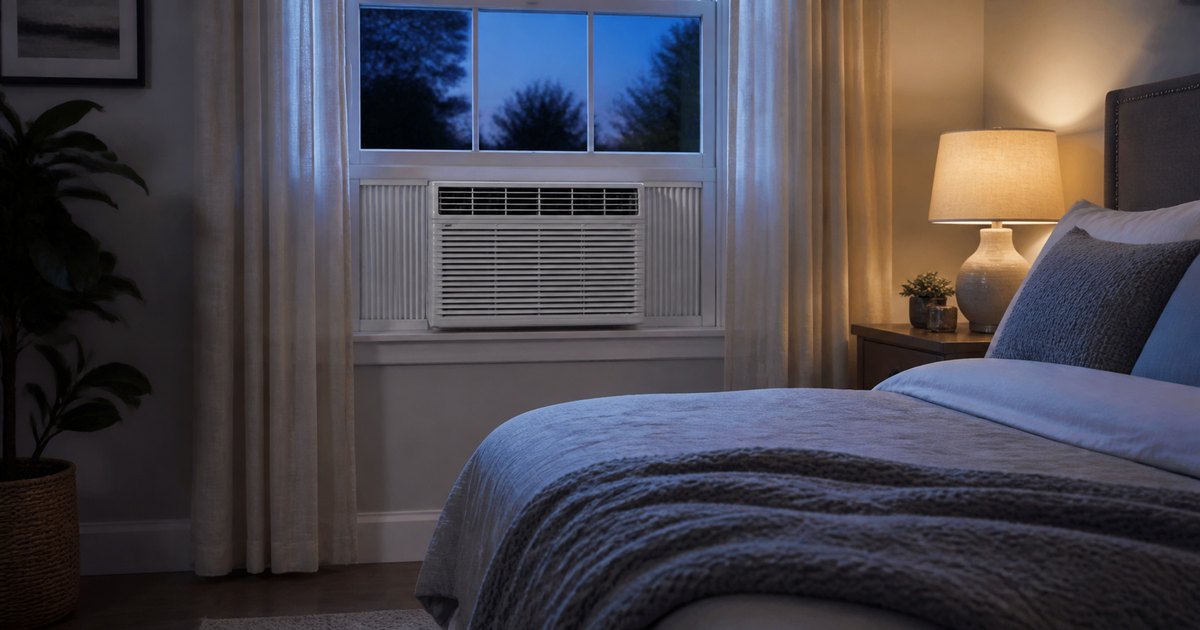
When summer heat doesn’t merely arrive but settles in — heavy, humid, relentless — comfort becomes less of a luxury and more of a necessity. In those moments, the right cooling system isn’t just about temperature control. It’s about air quality, noise levels, energy consumption, and long-term reliability.
That’s where the Haier window air conditioner earns attention.
Compact enough to fit neatly into a window frame. Powerful enough to cool an entire room. Smart enough — in select models — to respond to your voice or smartphone. Yet priced within reach.
But is it the right choice for you?
This in-depth guide explores performance metrics, BTU sizing, installation realities, smart features, energy efficiency, maintenance expectations, and competitive comparisons. By the end, you won’t just understand Haier window AC units — you’ll understand whether one belongs in your space.
Why Choose a Haier Window Air Conditioner?
Choosing an air conditioner isn’t just about brand recognition. It’s about alignment — between your room size, your energy priorities, your budget, and your tolerance for noise.
Haier occupies a compelling space in the window AC market: affordable without being flimsy, feature-rich without becoming unnecessarily complex.
What makes Haier stand out?
First, reliability. Haier has decades of appliance manufacturing experience, and that engineering background translates into consistent cooling performance. These units are built to do one thing exceptionally well: move heat out and cool air in — efficiently.
Second, versatility. Haier offers a range of BTUs, from compact 5,000 BTU units for dorm rooms to powerful 12,000+ BTU models suitable for larger living areas.
Third, smart integration. Select models include Wi-Fi connectivity, enabling remote adjustments, scheduling, and voice control.
In short, Haier window air conditioners balance functionality and cost. They don’t overpromise. They perform.
Understanding BTU Ratings: Choosing the Right Size
BTU — British Thermal Unit — measures cooling capacity. But understanding BTU isn’t about memorizing numbers. It’s about right-sizing your comfort.
Too small a unit? It runs constantly, never quite reaching the set temperature, quietly driving up energy costs.
Too large? It cools too quickly, short-cycles, and fails to remove humidity effectively.
Here’s how Haier window AC sizing typically aligns:
- 5,000–6,000 BTU → Ideal for 150–250 sq ft (bedrooms, offices, dorm rooms)
- 6,000–8,000 BTU → 250–350 sq ft (medium bedrooms, studio apartments)
- 8,000–12,000 BTU → 350–550 sq ft (living rooms, larger apartments)
- 12,000+ BTU → Up to 1,000 sq ft (open-concept spaces)
However, square footage isn’t the only factor.
Consider:
- Ceiling height
- Sun exposure
- Insulation quality
- Number of occupants
- Heat-generating electronics
Precision matters. Cooling isn’t just cold air — it’s humidity regulation, air circulation, and steady compressor cycling. When correctly sized, a Haier window air conditioner performs efficiently, quietly, and consistently.
Key Features of Haier Window Air Conditioners
Modern window AC units are far more advanced than their predecessors. Haier incorporates features that move beyond simple “on and off” cooling.
Let’s explore.
Energy Efficiency and CEER Ratings
Energy efficiency is no longer optional. Electricity costs climb, and environmental concerns grow louder.
Many Haier window air conditioners are ENERGY STAR certified, meaning they meet federal energy-efficiency guidelines. But the deeper metric is CEER — Combined Energy Efficiency Ratio.
Higher CEER ratings indicate more cooling output per watt of electricity consumed.
Haier models often include:
- Energy Saver mode (fan cycles off with compressor)
- Sleep mode (gradually increases temperature overnight)
- Programmable timers
- Eco-friendly refrigerants
These features reduce compressor strain and limit unnecessary runtime. Over the course of a summer, those savings compound.
Efficiency isn’t dramatic. It’s incremental. But incremental savings matter.
Smart Wi-Fi Connectivity
In select models, Haier integrates Wi-Fi functionality — transforming a basic appliance into a responsive smart device.
Using the SmartHQ app (or similar platform, depending on model), you can:
- Adjust temperature remotely
- Set cooling schedules
- Monitor runtime
- Integrate with Alexa or Google Assistant
This isn’t novelty. It’s control.
Imagine pre-cooling your bedroom before sleep without running the unit all afternoon. Or adjusting work settings during a heatwave.
Smart integration adds convenience — but it also enhances efficiency. And that pairing is powerful.
Quiet Operation and Sleep Comfort
Noise is often underestimated when choosing a window AC unit. Yet once installed, it becomes unavoidable.
Haier window air conditioners typically operate between 42–52 decibels, depending on fan speed — comparable to background conversation.
Sleep mode reduces both fan speed and compressor cycling, limiting nighttime disturbances.
It won’t be silent. Few window units are. But for most users, the noise profile remains comfortable and manageable.
And in exchange? Reliable, consistent cooling.
Adjustable Cooling Modes and Airflow
Flexibility defines modern comfort.
Haier window AC units commonly offer:
- Multiple fan speeds
- Auto mode (adjusts output automatically)
- Dehumidify mode
- Energy Saver mode
The dehumidification function is particularly valuable in humid climates. Cooling isn’t only about temperature — it’s about moisture control. Remove humidity, and the air feels cooler even at higher thermostat settings.
That’s efficiency layered with comfort.
Installation: What to Expect
Window air conditioners carry a reputation for complicated installation. In reality, Haier designs its units for relative simplicity.
Most models include:
- Adjustable side panels
- Installation brackets
- Insulation foam
- Mounting hardware
The process typically involves:
- Securing the unit into the lower window sash
- Extending side panels to seal gaps
- Locking the window in place
- Securing with brackets
No permanent modifications required.
However, always verify:
- Window dimensions
- Weight capacity
- Electrical outlet proximity
- Dedicated circuit availability
For renters, this flexibility is invaluable. When the season ends, the unit can be removed, stored, and reinstalled next year.
Simple. Seasonal. Practical.
Pros and Cons of Haier Window Air Conditioners
No product is without trade-offs.
Pros
- Affordable pricing across BTU ranges
- Reliable cooling performance
- Compact design
- ENERGY STAR options
- Smart-enabled models available
- Straightforward installation
Cons
- Lacks advanced dual-inverter technology found in some premium brands
- Traditional design blocks part of the window view
- Noise levels may not match ultra-quiet inverter systems.
Still, for many buyers, the value proposition outweighs the limitations.
Performance meets practicality. And practicality often wins.
Popular Haier Window Air Conditioner Models
While specific model numbers vary by retailer, Haier generally offers:
5,000 BTU Mechanical Units
Basic dial controls. Budget-friendly. Ideal for small rooms.
Minimal features — but dependable cooling.
6,000–8,000 BTU Digital Units
Electronic controls. Remote included. Timer settings.
Balanced power and functionality.
10,000–12,000 BTU Smart Units
Wi-Fi enabled. Voice control compatible. Multiple modes.
Designed for modern homes that value connectivity.
Choosing the right model depends less on brand and more on your room size, desired features, and energy priorities.
Energy Costs and Long-Term Savings
Operating costs vary based on:
- Local electricity rates
- Daily runtime
- Thermostat settings
- Insulation quality
A mid-range 8,000 BTU Haier window air conditioner may cost roughly $25–$45 per month during peak summer usage.
Small behavioral adjustments make a difference:
- Set thermostat at 75–78°F
- Use ceiling fans to circulate air.
- Close blinds during peak sunlight
- Maintain clean filters
Efficiency isn’t solely engineered. It’s practiced.
Maintenance and Longevity
Even the best unit requires upkeep.
Monthly filter cleaning is essential. Dust restricts airflow, forcing the compressor to work harder.
Seasonally:
- Inspect seals
- Clear drainage channels
- Wipe condenser coils
With proper maintenance, a Haier window air conditioner can last 8–10 years — sometimes longer.
Longevity depends on care. Neglect shortens lifespan. Consistency extends it.
Haier vs. Competitors
Compared to LG, GE, Frigidaire, and Midea:
- LG offers quieter inverter models but at higher price points.
- Midea introduces innovative U-shaped designs for less window blockage.
- Frigidaire competes closely in price and performance.
- Haier remains strong in affordability and balanced features.
It may not dominate in cutting-edge technology. But it consistently delivers solid, reliable cooling at accessible pricing.
And for many buyers, that’s exactly enough.
How to Maximize Cooling Performance
Even the best Haier window air conditioner performs only as well as its environment allows. Placement and usage matter more than most people realize.
Start with insulation. Seal gaps around the unit carefully. Even small air leaks force the compressor to work harder. Close curtains during peak sunlight hours. Use ceiling fans to circulate cooled air more evenly throughout the room.
Avoid placing heat-producing electronics — like lamps or televisions — directly beneath the thermostat sensor. That small detail can cause unnecessary cycling.
And here’s something simple yet powerful: don’t set the temperature dramatically low, expecting faster cooling. Window units cool at a steady rate. Setting it to 68°F instead of 74°F won’t accelerate performance — it will only extend runtime.
Efficiency is often behavioral. Small adjustments create noticeable results.
Best Rooms for a Haier Window Air Conditioner
Haier window AC units shine in targeted spaces. They aren’t built for whole-house cooling. They are designed for precision.
Ideal rooms include:
- Bedrooms
- Studio apartments
- Dorm rooms
- Home offices
- Small living rooms
In compact environments, airflow distributes more effectively. Cooling feels immediate. Balanced.
Larger open-concept spaces may require higher BTU models or supplemental cooling strategies. But for enclosed rooms under 550 square feet, Haier window air conditioners deliver consistent and satisfying performance.
Think focused comfort — not central domination.
Common Mistakes to Avoid When Buying
Buying the wrong window air conditioner often comes down to three mistakes:
Choosing based on price alone.
A cheaper unit with insufficient BTU capacity will cost more in the long run due to inefficiency.
Ignoring window measurements.
Not all windows accommodate every model. Always verify width, height, and sill depth.
Overlooking electrical requirements.
Higher BTU units may require dedicated circuits.
A Haier window air conditioner performs best when properly sized, properly installed, and realistically matched to room conditions.
Cooling should be strategic — not impulsive.
Haier Window Air Conditioner and Humidity Control
Cooling isn’t only about temperature. It’s about moisture.
In humid climates, sticky air can make a 75°F room feel suffocating. That’s where the dehumidification function in many Haier window air conditioners becomes particularly important. Moisture condenses and drains away when warm air flows over the evaporator coils, gradually but successfully lowering indoor humidity.
The result? Air that feels lighter. Cleaner. More breathable.
This matters in coastal regions, basements, or homes prone to dampness. Lower humidity also discourages mold growth and improves overall comfort without forcing you to drop the thermostat lower than necessary.
It’s a quiet feature. But a powerful one.
Seasonal Storage and Off-Season Care
Window air conditioners are seasonal workhorses. When summer fades, proper storage protects your investment.
Before removing your Haier window air conditioner:
- Run it in fan-only mode to dry internal moisture.
- Clean the air filter thoroughly.
- Wipe exterior vents and coils.
- Drain any residual water.
The device should be kept upright in a dry place. Compressor oils need to stay correctly settled during storage and avoid tilting.
Neglecting off-season care can shorten lifespan. A few careful steps in autumn prevent performance issues in spring.
Long-term reliability is built during downtime.
Comparison Table: Haier Window Air Conditioner Models
Below is a simplified comparison overview of typical Haier window AC categories:
|
Feature |
5,000 BTU Model |
8,000 BTU Model |
12,000 BTU Smart Model |
|
Ideal Room Size |
150–250 sq ft |
250–350 sq ft |
450–550 sq ft |
|
Energy Star |
Some Models |
Yes (select) |
Yes |
|
Wi-Fi Enabled |
No |
Select Models |
Yes |
|
Fan Speeds |
2 |
3 |
3 |
|
Dehumidify Mode |
Basic |
Yes |
Yes |
|
Noise Level |
Moderate |
Moderate-Low |
Moderate |
|
Best For |
Small bedrooms |
Medium rooms |
Large bedrooms/living rooms |
This table helps buyers quickly align cooling capacity, features, and room size — improving decision clarity and SEO usability.
FAQs
Are Haier window air conditioners energy efficient?
Yes. Numerous models have Energy Saver settings that lower electricity use without compromising cooling performance and are ENERGY STAR certified.
How long does a Haier window air conditioner last?
With proper maintenance — including monthly filter cleaning and seasonal inspection — most units last between 8–10 years.
Can I install a Haier window air conditioner by myself?
In most cases, yes. The units include installation kits and instructions. However, larger BTU models may require two people for safe positioning.
Do Haier window AC units work with Alexa or Google Assistant?
Select smart models support Wi-Fi connectivity and voice assistant integration.
Is Haier a reliable air conditioner brand?
Haier is a globally recognized appliance manufacturer known for producing affordable, dependable cooling solutions for residential use.
Conclusion
If you need:
- Affordable cooling
- Reliable performance
- Moderate smart functionality
- Easy seasonal installation
Then yes — a Haier window air conditioner is a compelling option.
It may not redefine cooling technology. It doesn’t attempt to.
Instead, it does something arguably more valuable: it performs dependably, efficiently, and accessibly.
Sometimes, practicality is the smartest feature of all.