Floating TV Stand With Fireplace: The Ultimate Guide to Style, Warmth, and Smart Space Design
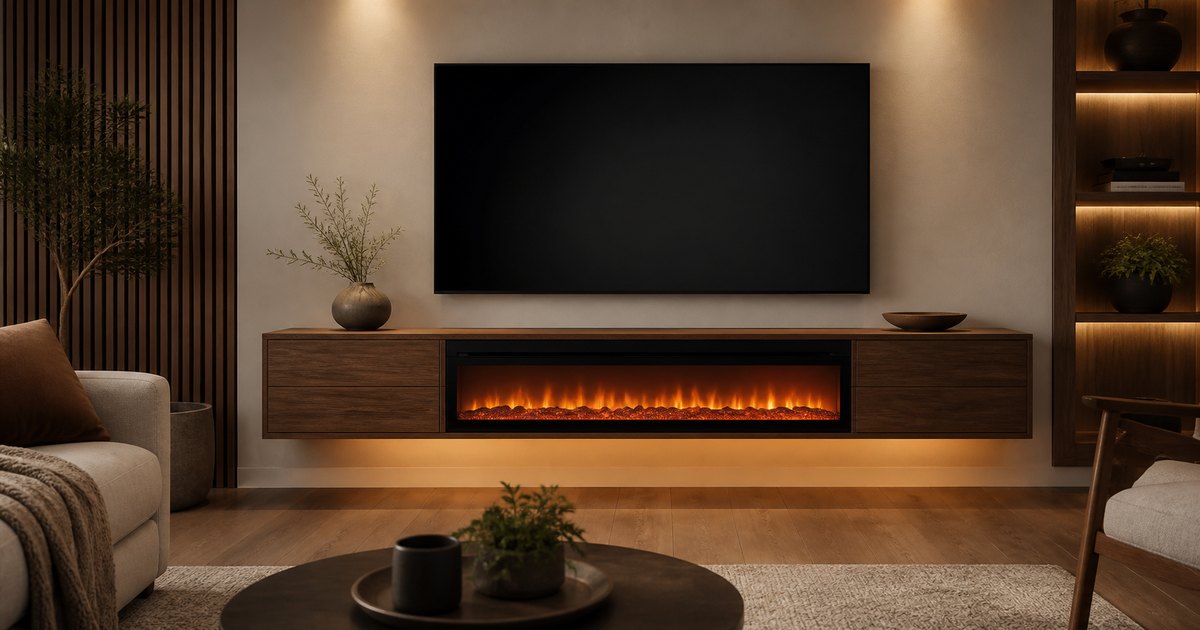
Minimalism meets modern comfort. That’s the promise — and the quiet power — behind a floating TV stand with fireplace. It’s not merely a piece of furniture. It’s a visual anchor. A heat source. A design statement that transforms an ordinary wall into a curated focal point.
In today’s interiors, space is currency. Clean lines are a luxury. And multifunctional pieces are no longer optional — they are expected. A floating fireplace TV stand answers that demand with architectural elegance. It frees the floor while commanding the wall. It introduces warmth without structural renovation. It creates ambiance without smoke, soot, or logistical headaches.
Whether you’re renovating a modern condo, upgrading a suburban living room, or reimagining a compact apartment layout, this hybrid unit offers something compelling: sophistication without complication.
If you’re considering investing in one, this comprehensive guide will help you evaluate, compare, and ultimately choose the right model with confidence.
What Is a Floating TV Stand With Fireplace?
At its core, a floating TV stand with a fireplace is a wall-mounted entertainment unit that integrates an electric fireplace directly into its design. Unlike traditional consoles that rest on the floor with visible legs or bases, a floating version is suspended — typically secured into wall studs — creating the illusion that it is hovering.
That visual suspension changes everything.
The open space beneath enhances airflow, increases perceived square footage, and delivers a built-in aesthetic that feels custom rather than store-bought. It mimics high-end interior installations often seen in luxury condos or architectural design magazines.
The fireplace component is almost always electric. These inserts utilize LED flame technology, heating coils, and internal fans to produce both realistic flame effects and adjustable warmth. Many modern units let you operate the flame visuals independently of the heat, so you can enjoy the ambiance year-round.
This combination of function and form makes the floating fireplace TV stand both practical and aspirational — a rare duality in furniture design.
Why Floating Fireplace TV Stands Are So Popular
The surge in popularity isn’t random. It reflects evolving lifestyle priorities.
First, homes are shrinking. Urbanization has driven up apartment living, and square footage has become increasingly expensive. People want open space — even if it’s visual rather than literal. Floating furniture satisfies that desire by reducing perceived clutter.
Second, interior design has shifted dramatically toward minimalism. Scandinavian influence. Japandi calm. Contemporary monochrome palettes. These aesthetics demand restraint, symmetry, and elevated forms. Bulky floor cabinets feel outdated in comparison.
Third, homeowners crave ambiance without undertaking major renovation projects. Installing a traditional gas or wood-burning fireplace requires permits, ventilation systems, masonry work, and a high cost. An electric fireplace TV stand delivers atmosphere instantly — no construction crew required.
And perhaps most importantly, social media has amplified demand. Clean, floating entertainment walls photograph beautifully. They look curated. Intentional. Elevated.
In a world driven by both practicality and presentation, floating fireplace TV stands sit comfortably at the intersection of both.
Key Benefits of a Floating TV Stand With Fireplace
Beyond aesthetic appeal, the benefits extend into functionality, lifestyle enhancement, and long-term usability.
Space Optimization
By mounting the unit directly to the wall, you eliminate the visual heaviness that traditional furniture often introduces. The room breathes. Light flows underneath. Vacuuming becomes effortless. Even in smaller rooms, the floating illusion prevents the “cramped” feeling that grounded cabinetry can create.
In tight spaces — especially apartments under 800 square feet — that difference can feel transformative.
Modern Design Statement
Floating units feel intentional. They don’t look temporary or transitional. They resemble custom millwork — even when purchased pre-assembled. The linear profile aligns beautifully with mounted televisions, creating a seamless horizontal design that anchors the entire wall.
The result? A room that feels curated rather than cluttered.
Supplemental Heat
Most integrated electric fireplaces generate between 4,000 and 5,000 BTUs, sufficient to heat rooms up to 400 square feet. This isn’t meant to replace central heating — but it does reduce reliance on it during mild winter evenings.
On cool nights, instead of heating the entire house, you warm the room you’re using. Efficient. Targeted. Comfortable.
Adjustable Ambiance
Modern models go far beyond basic orange flames. Today’s electric inserts may include:
- Adjustable brightness levels
- Multiple flame colors (blue, amber, multicolor blends)
- Ember bed customization (crystals, logs, stones)
- Remote controls and smartphone integration
- Sleep timers and programmable heat settings
Ambiance becomes customizable — tailored to mood rather than fixed in function.
Cleaner Living Environment
Unlike gas or wood fireplaces, electric units produce no smoke, soot, or combustion byproducts. There’s no chimney maintenance. No ash cleanup. No carbon monoxide risk.
It’s warmth — simplified.
Important Features to Consider Before Buying
A floating TV stand with a fireplace may look similar across brands, but internal specifications vary widely. Paying attention to details ensures both safety and satisfaction.
Size & TV Compatibility
Scale is everything. Too small, and it looks awkward beneath a large television. Too large, and it overwhelms the wall.
Confirm:
- Maximum supported TV size (often 55”, 65”, or 75”)
- Weight capacity
- Overall width relative to your wall dimensions
- Mounting height for ergonomic viewing
Ideally, your television should sit at eye level when seated. If the floating stand sits too low or too high, comfort suffers over time.
Measure twice. Visualize proportion. Consider wall symmetry.
Design isn’t only about function — it’s about balance.
Heat Output & Coverage
While most electric fireplaces heat up to 400 square feet, some premium units offer greater coverage or enhanced airflow.
Consider:
- Room insulation
- Ceiling height
- Draft exposure
- Supplemental vs. primary heating needs
If you live in a colder climate, ensure the heater includes an adjustable thermostat control rather than simple on/off settings. Advanced models allow you to set specific temperatures — adding precision rather than approximation.
Flame Technology & Realism
This is where price differences become visible.
Lower-tier models may offer static flame visuals. Mid- to high-range versions often include layered LED technology that mimics flickering depth and ember glow with surprising realism.
Look for:
- Adjustable flame speed
- Customizable ember colors
- Depth-enhanced flame projection
- Ultra-thin glass panels for clarity
When done well, the effect can rival built-in electric fireplaces seen in luxury developments.
Material & Build Quality
Construction affects longevity.
Common materials include engineered wood, MDF with laminate finish, solid wood veneers, and tempered glass accents. High-gloss finishes create a modern feel, while matte or wood-grain options offer warmth and versatility.
Examine:
- Edge finishing
- Hardware durability
- Weight capacity ratings
- Surface resistance to scratches
A floating piece must be structurally dependable. Weak materials are not worth the compromise.
Storage & Cable Management
Minimalism doesn’t mean sacrificing practicality.
Many floating units include concealed compartments, side cabinets, or open shelving for media devices. Integrated cable cutouts help hide wires, maintaining a clean aesthetic.
If you use gaming consoles, streaming devices, or soundbars, confirm compatibility. Thoughtful storage prevents clutter from undermining the minimalism you’re aiming for.
Installation Requirements
Mounting is not optional — it is essential.
Most floating units must be anchored to wall studs. Drywall alone will not safely support the weight.
Ask yourself:
- Do you have stud access in the desired location?
- Will the mounting height align with the electrical outlets?
- Do you need professional installation?
Improper mounting risks damage—not only to the furniture but also to your wall and television.
Precision matters here.
Best Rooms for a Floating TV Stand With Fireplace
While living rooms remain the primary setting, versatility expands placement options.
Living Room
In open-concept homes, a floating fireplace TV stand becomes the focal point. It visually separates seating zones while maintaining airflow and spatial continuity.
Bedroom
Few upgrades elevate a bedroom like an integrated fireplace ambiance. Positioned beneath a wall-mounted TV, it creates a hotel-inspired retreat — cozy yet refined.
Home Office
Remote work has changed interior priorities. A floating fireplace unit in an office space enhances both comfort and on-camera presence during video meetings.
Apartments & Condos
In smaller dwellings, floor space is invaluable. Floating designs maximize perceived openness while delivering warmth and entertainment functionality in a single footprint.
Floating vs. Traditional Fireplace TV Stands
Traditional fireplace TV stands rest directly on the floor. They are often larger, bulkier, and easier to install.
Floating units, however, emphasize:
- Clean architectural lines
- Visual openness
- Contemporary appeal
- Easier cleaning access
Traditional units may offer more storage, but they take up more floor space and can feel heavy in compact rooms.
Choosing between them is less about utility and more about design philosophy.
Do you prefer grounded stability? Or elevated elegance?
Are Floating TV Stands With Fireplaces Safe?
Safety depends on quality and installation.
Electric fireplaces are generally safe because:
- They produce no open flame.
- Exterior surfaces remain cool to the touch.
- Overheat protection is standard.
- Automatic shutoff features are common.
However, improper mounting presents a risk. Secure anchoring into studs is essential.
If children or pets are present, look for models with child-lock features and tempered safety glass.
When installed properly, they are among the safest fireplace options available.
Design Tips for Styling a Floating Fireplace TV Stand
The floating effect thrives on restraint.
Keep the surrounding décor minimal. Overcrowding the wall diminishes impact. Instead, introduce vertical elements — tall plants, sleek sconces, or elongated artwork — to frame the piece.
Consider LED strip lighting behind the unit for dramatic evening ambiance. The subtle glow amplifies depth and reinforces the illusion of suspension.
Balance sleek surfaces with texture. If your unit is high-gloss white or black, offset it with woven rugs, linen curtains, or wood accents.
Design is dialogue. Hard meets soft. Light meets shadow.
Let the fireplace glow anchor the room.
Price Range: What Should You Expect?
Pricing reflects material quality, fireplace realism, size, and brand reputation.
- $300–$600: Entry-level models, smaller dimensions
- $600–$1,200: Improved flame technology, better finishes
- $1,200+: Premium builds, enhanced realism, larger scale
Invest according to longevity expectations. A well-constructed floating TV stand with a fireplace can serve as a long-term centerpiece — not just a temporary décor experiment.
Floating TV Stand With Fireplace: Quick Comparison Guide
|
Feature |
What to Look For |
Why It Matters |
Ideal Recommendation |
|
TV Size Compatibility |
55”–75” support |
Ensures proportional fit and safety |
Choose a stand slightly wider than your TV |
|
Heat Output |
4,000–5,000 BTUs |
Determines room heating capability |
Suitable for rooms up to 400 sq. ft. |
|
Flame Settings |
Adjustable colors & brightness |
Enhances ambiance customization |
Multi-color LED with dimming options |
|
Mounting Type |
Stud-mounted wall installation |
Ensures structural safety |
Direct stud mounting (not drywall-only) |
|
Material Quality |
MDF, engineered wood, tempered glass |
Impacts durability and aesthetics |
High-density engineered wood with reinforced brackets |
|
Storage Options |
Cabinets, shelves, cable management |
Reduces clutter and hides wires |
Built-in cable cutouts + concealed compartments |
|
Remote Control |
Included or app-enabled |
Convenience and ease of use |
Remote + timer + thermostat control |
|
Safety Features |
Overheat protection, auto shutoff |
Prevents fire hazards |
Built-in overheating sensor |
|
Installation Difficulty |
Moderate to advanced |
May require professional help |
Professional install for heavier units |
|
Price Range |
$300–$1,200+ |
Reflects build quality & flame realism |
Mid-range for best value |
Frequently Asked Questions
Are floating TV stands with fireplaces safe?
Yes. Most models use electric fireplaces with overheating protection and cool-to-touch glass. Proper wall mounting into studs is essential for safety.
Can a floating TV stand with a fireplace heat a full room?
Typically, they heat up to 400 square feet. They work best as supplemental heat rather than a primary heating source.
Will the heat damage the TV above it?
No — quality models direct heat forward, not upward. Always follow the manufacturer’s recommended clearance guidelines.
How difficult is installation?
Installation requires secure wall mounting into studs. If you’re not experienced with mounting heavy units, professional installation is recommended.
Do electric fireplaces look realistic?
Modern LED flame technology offers adjustable colors, brightness, and ember effects. Higher-end models provide impressively realistic visuals.
Are floating fireplace TV stands good for small spaces?
Absolutely. Their wall-mounted design frees up floor space and creates a more open, minimalist look.
Do they require ventilation?
No. Electric fireplaces do not need chimneys, vents, or gas lines — just a standard electrical outlet.
What is the average price?
Depending on size, materials, and flame characteristics, most floating TV stands with fireplaces cost between $300 and $1,200 or more.
Conclusion
A floating TV stand with a fireplace isn’t simply about heating a room. It’s about redefining space. Elevating design. Blending technology with ambiance in a way that feels seamless rather than intrusive.
It creates warmth — both literal and visual.
It reduces clutter while increasing presence.
It feels modern, yet inviting.
If you value clean lines, multifunctional design, and controlled atmosphere, this investment delivers more than surface appeal.
Measure carefully. Choose thoughtfully. Install securely.
Then dim the lights.
Turn on the flames.
And let your wall become the centerpiece it was meant to be.